

Dr. Gina Cherkowski
@gcherkowski
Followers
5K
Following
16K
Media
1K
Statuses
21K
Education Game Changer. Social Justice Education Activist, Speaker & Consultant. Working to ensure all kids are fully engaged, empowered & successful
Calgary Alberta
Joined October 2013

Amino acids and the brain: how protein shapes cognition Amino acids aren’t just for muscle; they’re the raw materials for neurotransmitters, brain energy, and communication between neurons. Every thought, mood, and memory depends on them. 1️⃣ The Building Blocks of Brain
11
225
812

Anxiety isn’t a thinking problem—it’s a signaling problem. We’ve spent years correcting thoughts (cognitive distortions) while the nervous system stays on high alert. Cognitive distortions matter (like catastrophizing) —but they’re the "tip of the iceberg". Beneath them, the
46
324
1K


Here's yet another study showing that kids who get smartphones earlier have worse mental health as teens. So what's the right age for a first smartphone? I'd say its whatever age you want them to cut back on sleeping, reading, exercise, and socializing. I advise not doing that
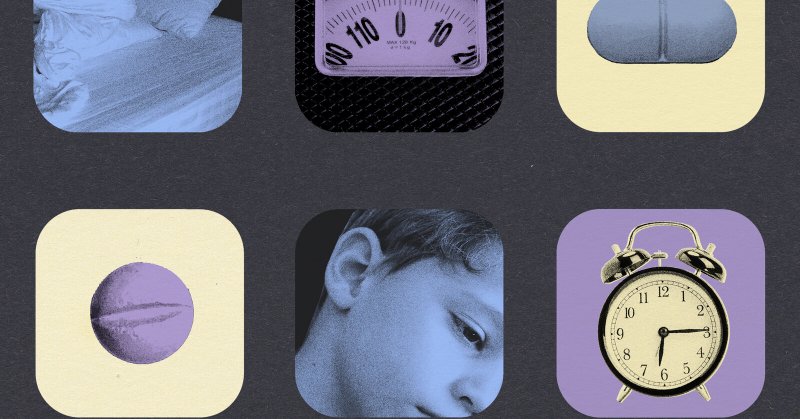
nytimes.com
Researchers found higher rates of depression, poor sleep and obesity among tweens who had early access to a cellphone.
63
585
3K

Math anxiety: meta analysis of longitudinal studies suggests a bi-directional relationship. Being bad at math makes you anxious when doing it AND being anxious about it impairs performance. https://t.co/cUheLRD4CU
7
33
111
Smartphone before age 12 associated with depression, obesity, and poor sleep.
nytimes.com
Researchers found higher rates of depression, poor sleep and obesity among tweens who had early access to a cellphone.
4
41
94

One reason why some people experience higher levels of emotional well-being is that they use more effective ways to regulate their emotions. Here's how they do it.

psychologytoday.com
Tactics that are positive-approaching, not negative-receding.
2
28
97
Reported illnesses have tripled in some school districts. Experts say mental health is a factor | CBC News
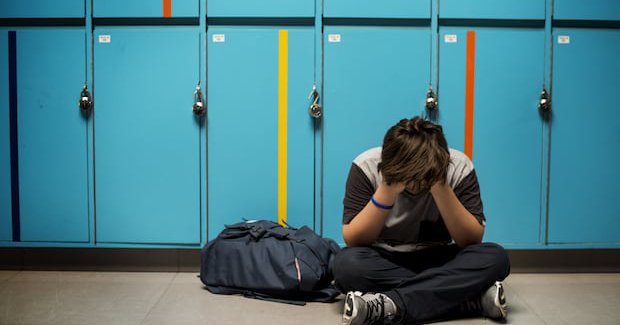
cbc.ca
A CBC investigation finds that school time lost due to reported illness is up in all districts that provided data — more than tripling in some places compared to five years ago. While the data...
0
0
0
SEL: Not Soft Skills, Essential Skills for Learning and Life - Embright Education

embrighteducation.org
By Pimmi Goomer, Director of Programs, Embright Education We hear these buzzwords all the time: social-emotional learning (SEL), essential life skills, whole-child development. But what do they...
0
0
0
"The really big picture of how our early experiences and how all of those things are going to influence our later functioning really start early in those first eight years." Source: Science News
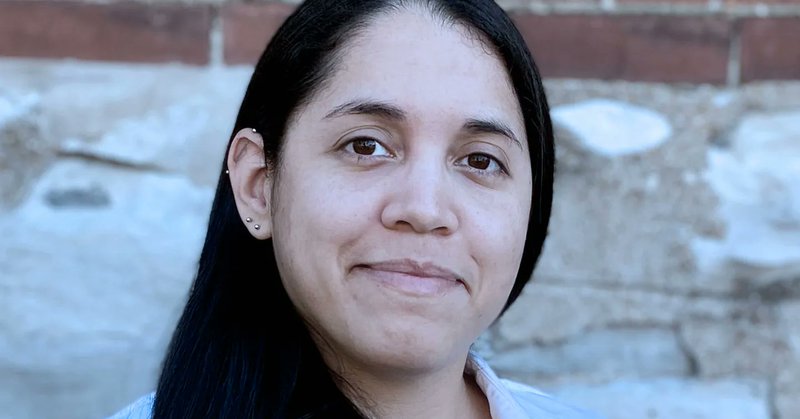
sciencenews.org
A child-friendly brain imaging technique is just one way neuroscientist Cat Camacho investigates how children learn to process emotions.
0
0
0

More reports of this lovely side effect seen in newly phone-free schools: Big increases in students coming into the library and ... checking out books! A report from Oklahoma: https://t.co/P1Duin08dt and one from Kentucky: https://t.co/JJf8Y3FmVP
washingtonpost.com
After Ballard High School banned phones, they saw a 67% increase in students checking out library books.
15
91
471
"To flourish over a lifetime, people will need to be adaptive problem solvers, ethically competent and able to understand, appreciate and act in the world. In the age of AI, education must strengthen human agency, human meaning and human security."
oecd.org
In the future, education systems should nurture a broader range of capabilities, help restore meaning to young people's lives and equip them with the skills and ambition to remake our societies,...
0
0
1

Loneliness is associated with cognitive impairment. Stay connected.
41
216
1K
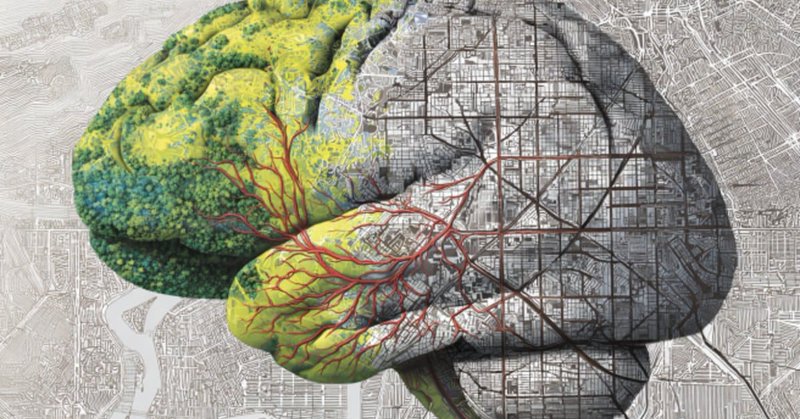
@"Beyond Prompts: The Real Skill Behind Human–AI Collaboration" https://t.co/hyQPYlw8uQ on @LinkedIn

linkedin.com
💭 It’s not just what you ask, but how you interact. Most people turn to AI for its expert knowledge - a cooking recipe, medical insight, financial analysis, language translation, and so on.
0
0
0
How the gut microbiome synchronizes with the brain’s circadian clock This figure shows how the gut and brain communicate through neural, immune, endocrine, and metabolic pathways that are influenced by the body’s internal clock. The microbiome, hormones, and light–dark cycles
11
217
863

Sleep deprivation impairs memory by up to 40%, glucose tolerance by 22%, and mitochondrial respiration by 18% But strategic interventions (HIIT, creatine, caffeine, bright light) can help prevent/reverse this damage when sleep isn't an option Here's what you need to know🧵1/13
23
358
2K

🧠 Study shows writing by hand increases brain connections that improve learning and memory — typing doesn't. This doesn't bode well for our future. Writing by hand activates the brain more deeply than typing, according to new research from the Norwegian University of Science
47
374
2K

If stress can shape your brain, imagine what safety can do.
3
47
235