Omar Wasow | @[email protected]
@owasow
Followers
30K
Following
41K
Media
1K
Statuses
23K
Asst Prof, Berkeley, Pol. Science. Study protests, stats & race: 1/ Agenda Seeding https://t.co/HQAGSf9JK9 2/ Race as Bundle of Sticks https://t.co/PuFZmnG4qP
Joined June 2007
For 15 years, I’ve been studying 1960s civil rights protests with particular attention to how nonviolent and violent actions by activists & police influence media, elites, public opinion & voters. I'm thrilled some of that work was published last week. 1/ https://t.co/zzvvPTcgoP
116
1K
4K
Musk: Reality is probably a simulation Also Musk: Race is definitely real
0
4
12
@nytimes For a deeper dive into “plutopopulism” and recent Republican gains among the working-class, see this thread:
A recent NYT analysis found over last three presidential elections “Republicans are overwhelmingly making gains in working-class counties. Democrats are improving almost exclusively in wealthier areas.” Our new study shows similar patterns among donors. 🧵 https://t.co/aFY31KxrDQ
0
0
1
@nytimes Trump ran as a populist but has governed as a plutocrat. The coalition that lifted him—including new small donors—appears to be voting with their feet, and their ballots. As Malcolm X said, “the chickens are coming home to roost.” “Plutopopulism” →
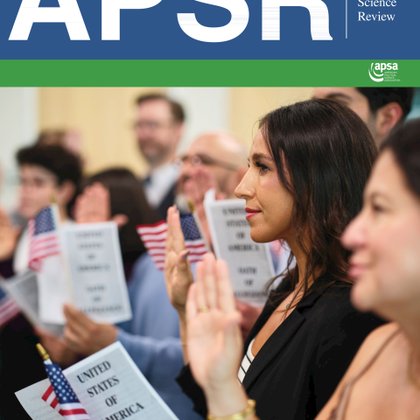
cambridge.org
Plutopopulism: Wealth and Trump’s Financial Base
1
2
4
Today @nytimes.com is reporting, in addition to previous tax cuts, “The Treasury Department and IRS are issuing rules that provide hundreds of billions of dollars in tax relief to big companies and the ultrarich.” https://t.co/OCIhcSCRPe Gift link:
nytimes.com
The Treasury Department and Internal Revenue Service are issuing rules that provide hundreds of billions of dollars in tax relief to big companies and the ultrarich.
1
0
2
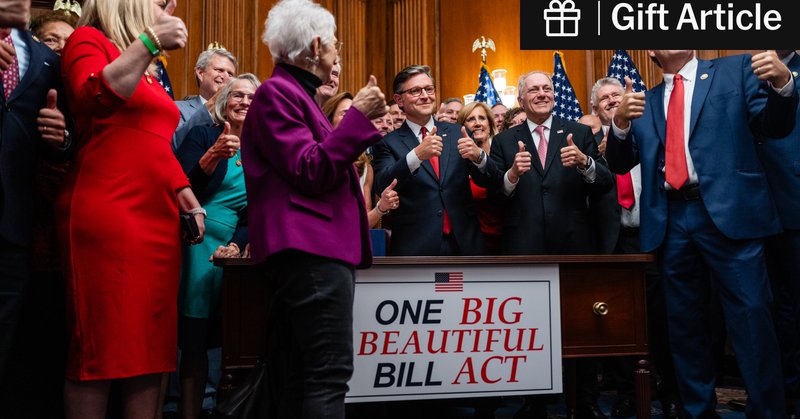
But governing is different from campaigning. Once in office, Trump led more as plutocrat than populist. “One Big Beautiful Bill” paired multi-trillion dollar tax cuts benefiting wealthy and corporations with reduced benefits for working-class programs. 3/
cambridge.org
Plutopopulism: Wealth and Trump’s Financial Base
1
0
2
In our data—108 million homeowner-voters linked to campaign donations—we find Trump underperformed with wealthy in 2016 but, by 2020, mobilized a mass of non-wealthy donors. Bottom 90% nearly matched top 10% of dollars. He built something new. 2/ https://t.co/aFY31KxZto
1
2
3

No AI. No shortcuts. Just hand-drawn adventure. Step into a world made by humans — wishlist on Steam now!
5
12
181
Earlier this year, we showed Trump built a remarkable “plutopopulist” coalition in his campaigns, drawing money from both wealthy elites and a surge of small donors. With Tuesday’s elections, though, that coalition seems to be fraying. What happened? 1/ https://t.co/aFY31KxZto
2
6
9
July 2020…
The two lead segments on NPR this morning were ”Portland Mayor Wants Federal Agents Removed From His City” and “Civil Rights Leader John Lewis Never Gave Up Or Gave In.” The juxtaposition was striking and a remarkable echo of “Bloody Sunday.” 1/
0
0
9
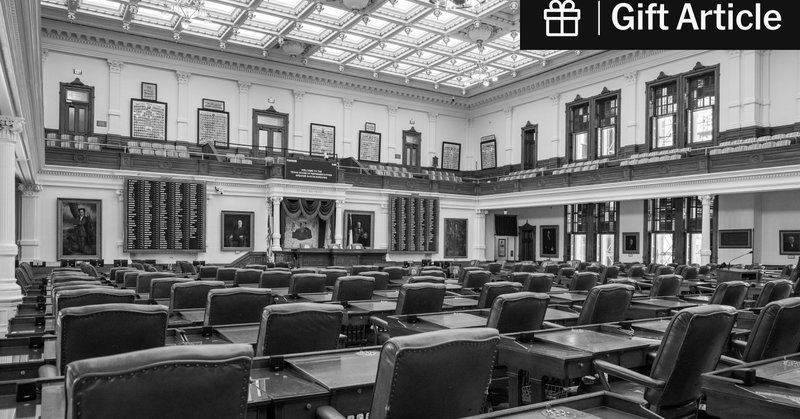
“Texas Dems lost. But they drew attention to GOP efforts to put a thumb on the scale, and demonstrated a key tactic for galvanizing their party. They lost, but they lost loudly. Losing loudly has been a crucial feature of successful political movements 🎁
nytimes.com
Losing loudly has been a crucial feature of successful political movements.
0
3
11
Trump’s policy of mass deportations is imposing huge costs on individuals, families and communities but the steady drumbeat of shocking stories is taking a toll on his popularity. On formerly winning issues like immigration, he’s now underwater.

0
1
3
Another similarity between past and present is the media’s taste for what’s visual. ICE raid videos have potential to punch through our fragmented media landscape like George Holliday’s footage of LAPD beating Rodney King, or Darnella Frazier’s recording of George Floyd’s murder.
1
0
4
Though there are many differences between past and present, the parallels are still striking. ICE raids caught on camera echo the dynamics of the 1960s: state agents as lawless aggressors, ordinary people (landscapers, car washers, grad students) as sympathetic victims.
1
0
1
One central lesson of 1960s civil rights protests is that activists can “dramatize injustice” through strategic narrative construction, essentially creating compelling stories in the media with clear heroes and villains. More in this thread:
For 15 years, I’ve been studying 1960s civil rights protests with particular attention to how nonviolent and violent actions by activists & police influence media, elites, public opinion & voters. I'm thrilled some of that work was published last week. 1/ https://t.co/zzvvPTcgoP
1
0
1
Though there are many differences between past and present, the parallels are still striking. ICE raids caught on camera echo the dynamics of the 1960s: state agents as lawless aggressors, ordinary people (landscapers, car washers, grad students) as sympathetic victims.
0
0
2
Really enjoyed talking with @chrislhayes about how protests can shape public opinion. He also invited me to share a bit of my personal story which helps put the research in context — Youtube https://t.co/gcr1CdXfJW — Apple https://t.co/Ogkfxo4u5Y — Spotify
open.spotify.com
Why Is This Happening? The Chris Hayes Podcast · Episode
3
5
27

UC Berkeley is hiring an Assistant Professor this fall, with a preference for candidates in International Relations, American Politics, or Public Law. I am on the committee and glad to answer questions. Please apply! Link in next post.
5
27
95
In July of 1852, Frederick Douglass delivered one of the greatest speeches in US history. Today it’s often presented in abridged form, though, and skips what seems like a long-winded introduction. If you read the intro closely, however, there’s an ingenious structure. THREAD👇🏽
17
395
1K

Base models are great for demos, but production needs something better. Today, we’re launching post-training by Nebius Token Factory. Fine-tune frontier open-source LLMs, optimize them and deploy instantly. This is how open-source finally becomes production-grade. 👇
10
24
100
One way to understand this bill? The top 0.1% donate up to 15x more than the bottom 90%.
cambridge.org
Plutopopulism: Wealth and Trump’s Financial Base
The wealthy dominate political donations. Our research shows the top 0.1% contribute at rates 10-15x higher than bottom 90%. They’re not just more likely to donate, they give exponentially more per capita. The wealth gradient in politics is real. 2/ https://t.co/aFY31KxrDQ
2
3
9
Also see:
Looking at 2024, Adam Bonica’s data confirms the GOP’s ongoing paradox: While Trump mobilized unprecedented non-wealthy participation, Republican dependency on mega-donors skyrocketed—from 4% of funds in 2008 to 56% in 2024. 5/
0
0
1
One way to understand this bill? The top 0.1% donate up to 15x more than the bottom 90%.
cambridge.org
Plutopopulism: Wealth and Trump’s Financial Base
The wealthy dominate political donations. Our research shows the top 0.1% contribute at rates 10-15x higher than bottom 90%. They’re not just more likely to donate, they give exponentially more per capita. The wealth gradient in politics is real. 2/ https://t.co/aFY31KxrDQ
2
3
9