

Tech Transparency Project
@TTP_updates
Followers
7K
Following
9K
Media
2K
Statuses
9K
The Tech Transparency Project (TTP) is a research initiative of @Accountable_Org that seeks to hold large technology companies accountable.
Washington, D.C.
Joined February 2016
NEW: Apple’s App Store hosts dozens of apps for U.S.-sanctioned entities, including Russian banks propping up Moscow’s invasion of Ukraine, and a Chinese paramilitary group linked to human rights abuses. TTP also found a smaller number in the Google Play Store (18 vs Apple’s 52).
2
1
1
TTP’s report (and follow-ups after) found multiple examples of ad accounts that had earlier ads removed for violating Meta policies, but were inexplicably able to get new scam ads approved by Meta later.
Yet, past ads from "Relief Eligibility Center" are flagged with a message indicating that this advertiser is "an account or Page that [Meta] later disabled for not following our Advertising Standards." If it was "disabled," how is it still running ads today?
0
0
0

Apparently unable to sweep the issue under the rug, Meta put out a blog post claiming to have made great strides toward reducing the number of scams in 2025. They said that in the first half of 2025, their team disabled millions of accounts. Yet…
1
0
0
TTP’s research was cited by a bipartisan pair of Senators (@SenBlumenthal and @HawleyMO) in their letter to the FTC and SEC, pushing for an investigation into Meta’s failure to stop myriad fraudulent activities.
1
0
0
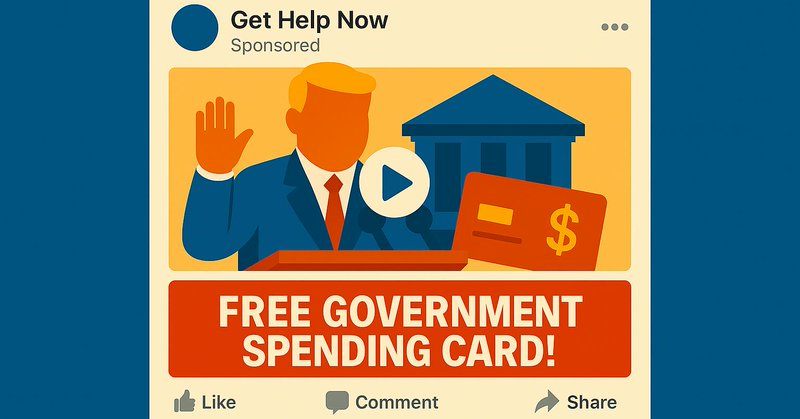
In October, TTP research revealed that scammers, often using deepfakes of prominent politicians to promote phony government benefits, were some of the biggest political ad spenders on Meta platforms.
techtransparencyproject.org
Scammers are spending heavily on Facebook ads that use deepfake videos of President Trump, Elon Musk, and other political figures to hawk fake government benefits.
1
0
0
The findings, reported by @TBarrabi at @nypost, are just the latest in a string of reports that have shined a light on Meta’s scam problem.

nypost.com
Mark Zuckerberg’s Facebook is blamed more often than any other site for hosting scam advertisements that have cost consumers billions of dollars – even as it pockets the profits, according to the...
1
1
0
New data from @safelyhq shows that the overwhelming majority of online scam victims cite Facebook as the place where they came into contact with their scammer—far more than all other major platforms combined.
1
3
2
0
0
1
As part of a settlement with the Treasury Department, Apple promised to take steps to improve its sanctions screening tools. Yet, TTP was able to identify these apps through public searches, suggesting Apple is falling short six years later.
techtransparencyproject.org
Apple and Google say they comply with U.S. sanctions. But an array of sanctioned companies, many from Russia and China, offer apps through their app stores.
0
1
0
Apple has been fined before by the U.S. government for failing to guard against sanctions violations in the App Store, over a case involving an app linked to a sanctioned Slovenian drug trafficker in 2019.
1
0
0
US regulations prohibit “the receipt of any contribution or provision of funds, goods, or services” from a sanctioned entity. Notably, a US party is still liable for sanctions violations even if they “did not know or have reason to know” they engaged in a prohibited transaction.
1
0
0
The U.S. and Yemen Apple App Stores listed a financial wallet app called AldawliMoney, developed by “International Bank of Yemen Y.S.C.” In April 2025, the U.S. sanctioned the bank, saying it is controlled by Houthi militants—a U.S.-designated foreign terrorist organization.
1
0
0
The Apple App Store in China had also hosted a cluster of apps for the Xinjiang Production and Construction Corps (XPCC), a Chinese paramilitary organization sanctioned over its role in human rights abuses against Muslim ethnic Uyghurs.
1
0
0
More than half of the apps that TTP flagged in the Apple App Store were for sanctioned Russian companies. This included multiple companies the U.S. government has sanctioned to try to curtail Russia’s financing of its war in Ukraine.
1
0
0
Apple and Google both charge a fee to app developers, so they may be violating Treasury sanctions simply by hosting these apps. Although both claim to comply with US sanctions, the connections to sanctioned entities that TTP surfaced were often obvious.
techtransparencyproject.org
Apple and Google say they comply with U.S. sanctions. But an array of sanctioned companies, many from Russia and China, offer apps through their app stores.
1
0
0
You can read TTP’s own investigation into the issue here:
techtransparencyproject.org
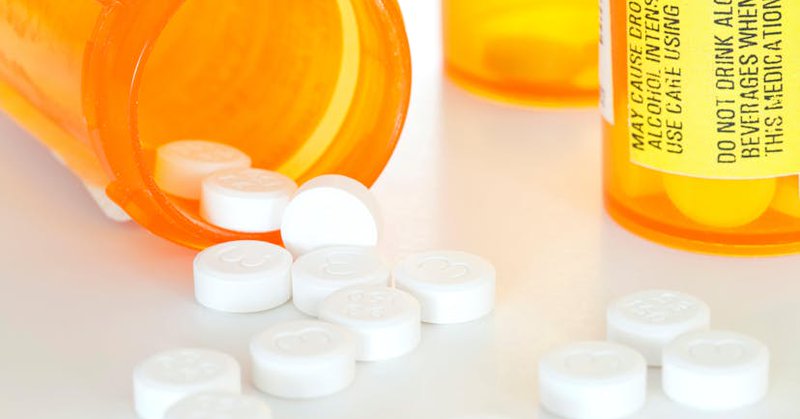
Meta says it prohibits ads that sell prescription and recreational drugs. But it’s approving drug dealer ads targeting users in multiple countries.
0
0
0
TTP regularly posts examples of new drug ads under the #MetaDrugAds hashtag—you can find some here. Despite the discoverability of these ads, and the clear harm that they are doing to vulnerable people, Meta inexplicably hasn’t put a stop to them. https://t.co/l9e9jTwW93
Meta continues to run ads for drug traffickers offering the opioid codeine in cough syrup. The #MetaDrugAds ran in the U.K. (cc @Ofcom) and the U.S. targeting only users on Instagram. Meta is still reviewing, approving, and profiting from opioid trafficking ads on its platform.
1
0
0
When looking at the ad library while recording the podcast episode, they said that there may be even more ads running on Meta now than when they published the investigation. You can read their complete investigation here:
thestar.com
Meta, the tech giant that owns Facebook and Instagram, says it has “zero tolerance” for the ads and works to find and remove the illegal drug posts.
1
0
0
Ben and Omar said the 3rd party sites the Meta ads linked to were extremely user friendly, and some even offered rewards points for repeat customers. One source told them that, when he was in rehab, a leftover balance of points on his account tempted him to use again.
1
0
0
One source first came across the ads *while in rehab*, and thinks his location at the time and his membership in Facebook groups discussing drug use were reasons he was targeted. He ordered the drugs before leaving rehab and “it really derailed his life for quite some time.”
1
0
0