
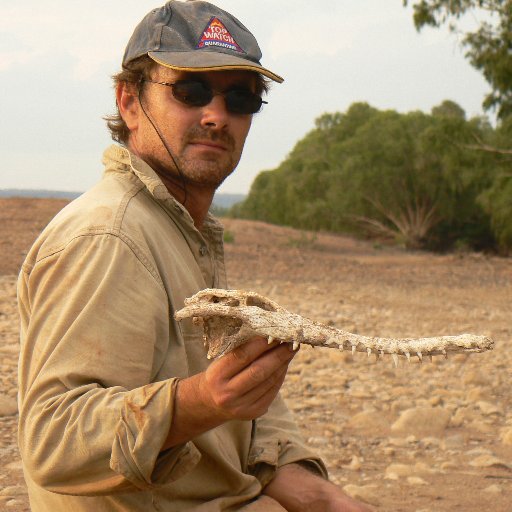
Mike Letnic
@mikeletnic
Followers
2K
Following
508
Media
324
Statuses
508
Professor of conservation biology and ecosystem restoration.
UNSW, Sydney, Australia
Joined March 2018
My research on trophic cascades recently featured in the documentary Australia’s Wildlife Odyssey. Here is a link to a 3 minute excerpt, where I talk about the ecological effects of Australia’s dingo fence, it sums up 15 years work in a few minutes. https://t.co/gwaCJi42Tn
1
11
37
Podcast about my research on invasive species including rabbits, feral cats, foxes and cane toads https://t.co/O445Dmjn6W
1
3
9
Mustard-bellied snakes were identified as a species of concern because 46% of their habitat was burnt by Australia's Black-summer bushfires. However, research shows that the fires had no effect on site occupany by these tiny snakes. @ScaledSolution
https://t.co/VqsYE0iQKD
0
0
6
Bird soup! Zooming in reveals an amazing diversity of wading birds on the shore of Roebuck Bay, Broome. How many types of birds in the pic? #wildoz
0
1
3
Wild herbivores' impacts on vegetation in arid Australia translate to soil seedbanks https://t.co/4QQAQg0oa6.
@TongtongXu16 shows that seed density increased along an aridity gradient and that herbivores suppressed seed density at the most arid site. @willcornwelll @BapsWijas
2
4
25
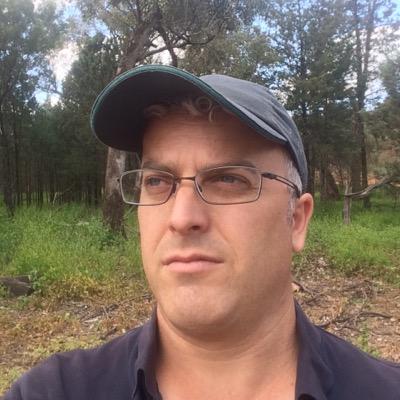
Plains-wanderers prefer grasslands at an optimal height, and without foxes. Habitat management and landscape-scale fox control are key actions to recover the species https://t.co/5M1yty2E9L.
0
5
20
Plains-wanderers like their grasslands just right, not too tall, not too short AND without foxes. Paper led by @pedionomus shows that plains-wanderers prefer an optimal range of grass-height and that fox control is integral for managing their habitat https://t.co/fX3KculiYC.
4
10
28
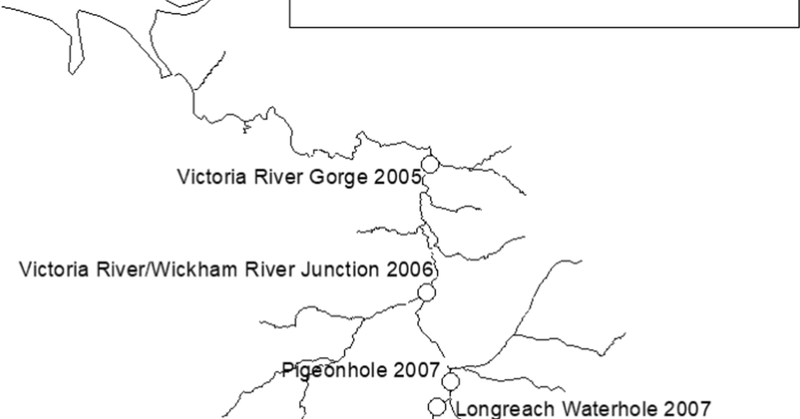
Freshwater crocodile killed after consuming a cane toad in the Victoria River, Northern Territory. 20 years after toads invaded and crocodile populations crashed there is still a trickle of crocodile mortality from consuming toads. Read more about it here https://t.co/frwkG7Gp3S
1
1
9

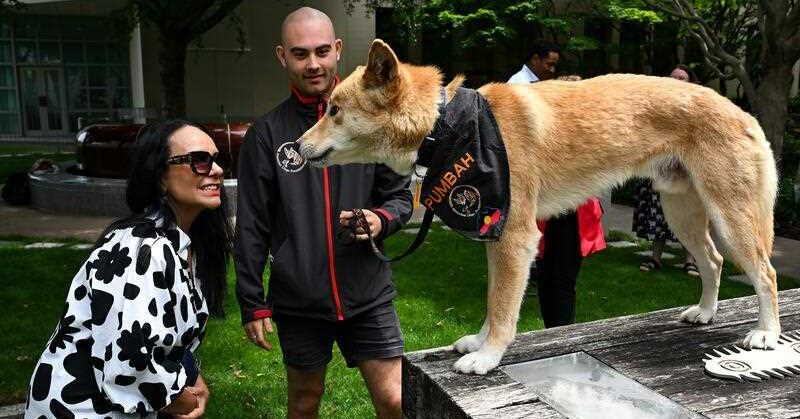
https://t.co/RZ16VYBkoI More discussions about balancing protection of dingoes with protecting livestock - and the importance of including First Nations peoples in stakeholder discussions about dingo management at all levels. Killing dingoes is killing kin #AlwaysWasAlwaysWillBe
abc.net.au
Sarah Ferguson presents Australia's premier daily current affairs program, delivering agenda-setting public affairs journalism and interviews that hold the powerful to account. Plus political...
0
10
24
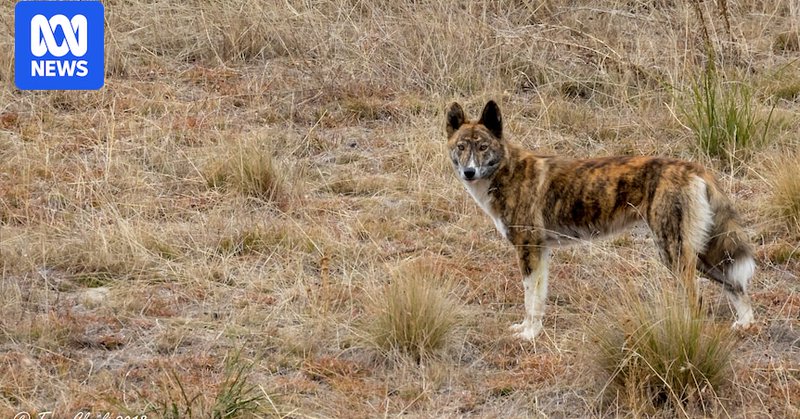
@Field_Ecologist and others talking about ACT dingoes. Yes some have odd coat colours, but this doesn’t change the fact that they are dingoes and a native animal. Policy needs to evolve with changing scientific knowledge. https://t.co/Eiaz6JHfst
@UNSWScience @unswbees @mikeletnic
abc.net.au
Concerns have been raised over the current assumptions about the ACT's dingoes, and it's hoped more understanding can help the animals coexist with humans and other species.
0
5
12
Kangaroos are nutrient vectors that transport nutrients from open areas where they graze to the shade where they rest during the day. Using "shade hotels" @sophiehewitt33 shows that roos enriched soils under the shades where they sheltered at Fowlers Gap https://t.co/rb5uU6V59Y
1
25
89
Our results suggest that freshwater crocodiles have adapted or learned to deal with toads but there is still a trickle of mortality due to toads. Take home message is that invaders can have long-term chronic impacts even if adaption occurs. https://t.co/pNwWP22TwI
@UNSWScience
0
4
7
We tracked freshwater crocodile numbers for 14 years following invasion of toxic cane toads. Crocodile populations collapsed after toads arrived. 14-years later some crocs still die after eating toads and their numbers show no sign of recovery. https://t.co/pNwWP22TwI
@unswbees
1
17
45
Works from the Advanced Field Biology Natural History Exhibition. The brief: Observe and record nature in the spirit of a 19th century naturalist in any medium you like. Gumnut beanies, Ellie Pinkerton; Angophora, Kate Brennan, Forest kingfisher, Hee-Jun Lee @EERC_UNSW @BEES_UNSW
0
3
13
Works from the Advanced Field Biology Natural History Exhibition. The brief: Observe and record nature in the spirit of a 19th century naturalist in any medium you like. Gumnut beanies, Ellie Pinkerton; Angophora, Kate Brennan, Forest kingfisher, Hee-Jun Lee @EERC_UNSW @BEES_UNSW
0
3
13
Students heading into the swamp for Advanced Field Biology at UNSW's Smith Lake Field Station. Highlights this year were close encounters with tiger quolls and koalas.
1
0
20

3
12
43
Just back from Namadji National Park with @Field_Ecologist who is looking at the effects of dingoes on alpine ecosystems. We saw plenty of dingoes including one with a great big rip in its side.
6
5
31
Has Australia’s dingo management gone to the dogs? https://t.co/QyDCMofEnJ via @MichaelWestBiz
michaelwest.com.au
Advocates for dingos are ramping up pressure to stop lethal management programs, while livestock industry and agriculture support them.
1
3
5