
Kate Petrova
@kate_ptrv
Followers
4K
Following
4K
Media
92
Statuses
1K
Computational affective scientist @Stanford Psychophysiology Lab • Studying how we use our emotions as sources of information in decision-making.
Joined April 2020
Very excited to share our new paper in Affective Science in which we outline our vision for the future of research on emotion regulation! https://t.co/xq6OSiPlKt
4
29
137

Applying to Psychology doctoral programs this Fall? If so, we invite you to SASSC’s Annual Application workshop! SIGN UP NOW to learn from current grad students across all psych disciplines on how to approach the entire process! See you on Saturday 9/20/25 @ 12PM ET!
2
15
21
New preprint with @tobigerstenberg! Regret isn’t just about what happened—it’s about how we think about what could have happened. Our model quantifies how strongly people update beliefs about counterfactual outcomes. Stronger updates = more intense regret! https://t.co/PDNjxcqLDu

osf.io
Regret is a common emotion that might either catalyze or impair decision-making. What determines whether regret will be helpful or harmful in a given situation? We test the hypothesis that regret is...
1
5
19

🚀 Unlock Research Opportunities Always wanted to explore emotions, physiology, or esports but lacked resources? The CEPAV dataset is here! Ready-to-use and described in detail in our paper published in @ScientificData . Dive in and start discovering today!
3
5
7
A very overdue announcement of our new paper! We used a unique longitudinal sample from the Harvard Study of Adult Development—spanning over 60 years of data collection!—to see how social networks change across the entire adult lifespan: https://t.co/KU8KrIPjvk
2
20
141
NEW SPECIAL EPISODE OUT! In the latest episode of our Meet the Hosts series, Adani chats with @kate_ptrv! They talk about how Kate joined the podcast, her journey into & through grad school, what affective science is, and where it might go in the future! https://t.co/AjIXIGGt72
3
5
12
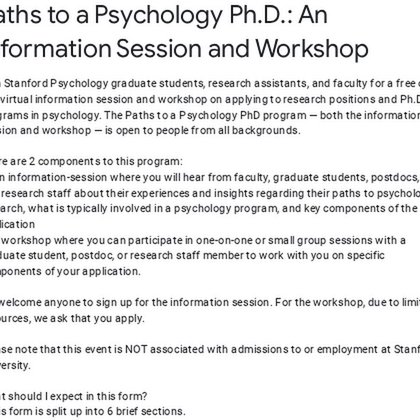
Are you thinking of applying to PhD programs in psychology but unsure about how to start or whether it's a good fit? Apply by Sep 29th to Stanford Psychology's 8th annual Paths to PhD info-session/workshop to have all of your questions answered! https://t.co/tex6YrzDzC
docs.google.com
Join Stanford Psychology graduate students, research assistants, and faculty for a free one-day virtual information session and workshop on applying to research positions and Ph.D. programs in...
3
128
249
HOPE FOR CYNICS is out today! Its protagonist, Emile Bruneau, was one of my heroes. I hope this book can pass on a tiny fraction of his wisdom along with the science. Thank you, Emile, and all who supported this labor of love. https://t.co/m5GurCbI2j
https://t.co/kIxAv8jtY6
3
21
88
🧵1/10 🎮Final Results Alert! We've conducted the largest experimental study on gamers to date, exploring how affect regulation impacts performance. 🤔Why does it matter? We believed that affective responses during stressful, high-stakes performances can undermine or optimize it.
2
9
29
Hey #AcademicTwitter, what are your favorite tricks or tools for making a ~40-60 student UG lecture course more interactive?
5
2
8

Last year, a paper in Science claimed to have directly measured neural activity (the DIANA response) with line-scan MRI. Replicability is contested. Here, we document the unique noise profile of the acquisition sequence and discuss the future of DIANA. 1/n

biorxiv.org
Several groups have reported using 2D line-scan MRI sequences in humans and mice to directly measure neural responses to stimuli (the “DIANA response”). Other groups have been unable to replicate the...
1
4
11

Do you want to master the art of rethinking? Check out this fantastic new blog post on @PsychToday by @kate_ptrv! Here, she outlines the Three E's of successful rethinking to help you overcome any challenges you may be facing in daily life. https://t.co/LikuGkq8xX

psychologytoday.com
Emotion regulation is hard. Here is a step-by-step guide for making it easier.
0
2
8
#paths2phd is happening now! Excited about talks, panels, and Q&As all about applying and getting into psychology PhD programs! 🧠🧠
0
2
19
Interested in a PhD or post-bacc research coordinator position in Psychology? Applications close THIS FRIDAY (September 22nd, midnight PT) for our annual Paths to PhD free webinar and 1:1 workshops. See thread below for more details! ⬇️

Are you thinking of applying to PhD programs in psychology but unsure about how to start or whether it's a good fit? Apply by Sep 22nd to Stanford Psychology's 7th annual Paths to PhD info-session/workshop to have all of your questions answered! https://t.co/8WFqjz36r2
0
13
30

It’s official - we are going to NEW ORLEANS!! Save the date for #AffectScience2024 from Friday, March 1 to Sunday, March 3, 2024. Abstract submissions will open in late September. See our 2024 SAS Annual conference website for regular updates: https://t.co/Ev5hXsBbPF
0
19
70

We have just published a 6-item short form of the Emotion Regulation Questionnaire (called the ERQ-S). It is a brief measure of cognitive reappraisal and expressive suppression. Authors: @kate_ptrv, Ashish Mehta, and James Gross. You can download here:
1
19
115
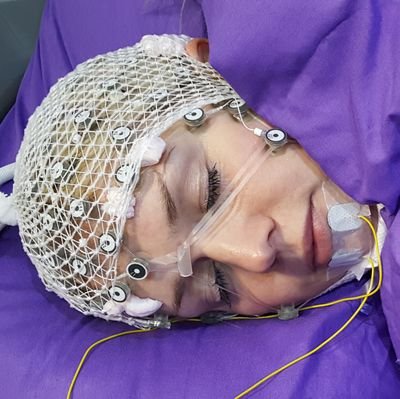
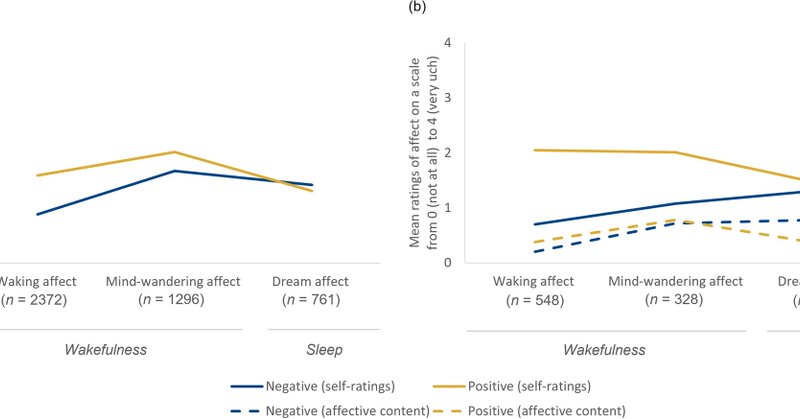
Why should affective science expand its grip and study affect not only in wakefulness, but also across the whole wake-sleep cycle (mind-wandering, sleep, and dreaming)? Here is a li'l piece I wrote together with the amaaazing James J. Gross 🙏🙏🙏 https://t.co/xFVnuhUkyv
link.springer.com
Affective Science - Affective scientists traditionally have focused on periods of active wakefulness when people are responding to external stimuli or engaging in specific tasks. However, we live...
3
10
28
Excited to share our new chapter, "Emotion regulation in self and others" for the forthcoming book "Emotion Regulation and Parenting"! https://t.co/XUs3anbdwY
osf.io
This chapter provides an overview of emotion regulation, with a particular emphasis on topics relevant to parenting. We begin with a discussion of emotion generation and emotion regulation. Next, we...
2
15
108

New preprint with @mcxfrank and Maya Mathur: Eleven years of student replication projects provide evidence on the correlates of replicability in psychology ( https://t.co/AYlOGH5KhM) reporting 176 replications from students in a grad methods class @StanfordPsych. (1/5)
2
81
184
The Psych Dept @BrynMawrCollege is searching for an Asst Prof or Associate Prof in Cultural Psychology to begin August 1, 2024. Apply here https://t.co/kOHHGBz9By Please RT! #AcademicTwitter #psychtwitter
0
23
26