

Jan Rosenow
@janrosenow
Followers
45K
Following
15K
Media
4K
Statuses
27K
Professor of Energy & Climate Policy at Oxford University Energy programme lead @ecioxford @OrielCollege Senior Associate @cisl_cambridge
Oxford
Joined December 2012

China 🇨🇳 has taken over the car making market over just the last 5 years
458
2K
8K
Energy transitions can happen faster than we think: In 2000 almost 90% of Denmark's electricity was from fossil fuels. In 2024 less than 10% of Danish electricity was from fossil fuels.
40
129
432

Transform your driveway, patio, or pool deck with a surface that lasts. Durable, slip-resistant, and beautiful — that’s the LimeCoatDFW difference. Serving the DFW Metroplex
0
5
9
Nepal has become an electric vehicle leader - 80% of cars imported in December were battery electric. This is leapfrogging par excellence.
41
147
702
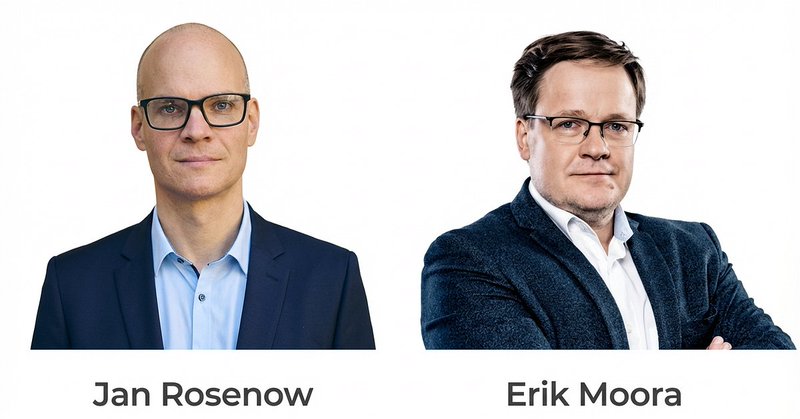
Estonia is often called the most climate‑sceptic country in the EU – which made my recent interview with @erikmoora, Editor‑in‑Chief of @eestiekspress especially timely. We talked about shifting public sentiment, energy prices and why electrification & efficiency are key to
medium.com
Following my public lecture at the Estonian Academy of Sciences in November 2025, I sat down with Erik Moora — a prominent public figure…
4
11
41

Very good interview on the energy transition.
Estonia is often called the most climate‑sceptic country in the EU – which made my recent interview with @erikmoora, Editor‑in‑Chief of @eestiekspress especially timely. We talked about shifting public sentiment, energy prices and why electrification & efficiency are key to
1
1
8
Estonia is often called the most climate‑sceptic country in the EU – which made my recent interview with @erikmoora, Editor‑in‑Chief of @eestiekspress especially timely. We talked about shifting public sentiment, energy prices and why electrification & efficiency are key to
medium.com
Following my public lecture at the Estonian Academy of Sciences in November 2025, I sat down with Erik Moora — a prominent public figure…
4
11
41
There is still a significant knowledge gap when it comes to industrial electrification. As I noted in a recent interview and now covered by Table.Briefings, most companies are “unclear about the options and costs.” https://t.co/5gAhBR7KrH
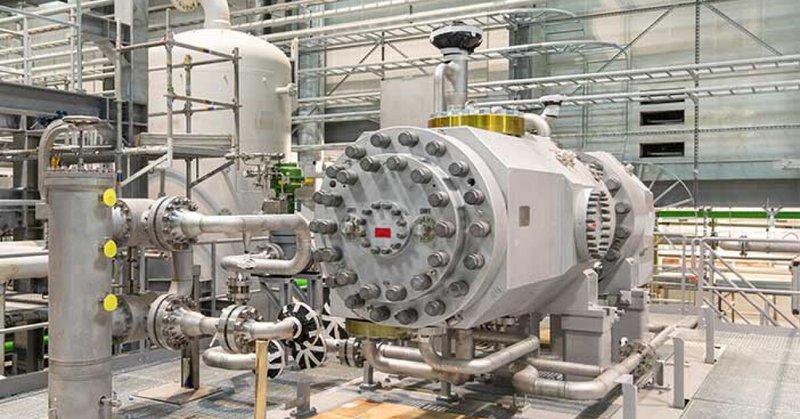
table.media
The electrification of industry offers huge potential for reducing emissions. However, without rapid political incentives, there is a risk of massive misinvestment in fossil fuel plants. The EU is...
2
33
97
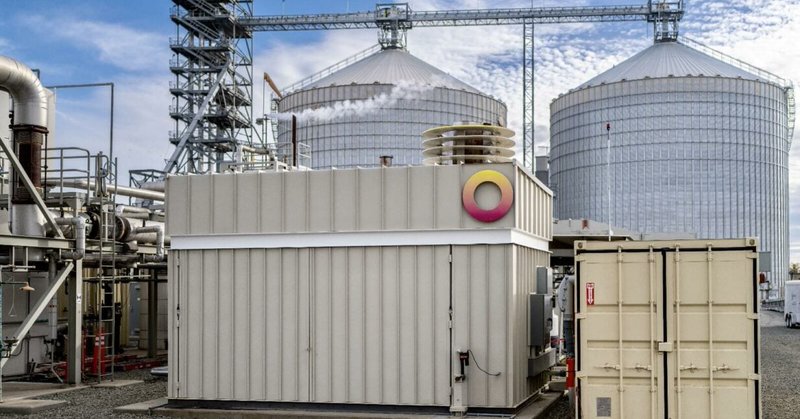
Heavy-industry sectors like cement have long struggled to decarbonise because their processes require very high temperatures. That’s why the new @rondoenergy heat-battery project in Thailand is such a big deal - powering a cement plant with low-carbon steam.
energy-storage.news
Rondo and SCG Cleanergy have commenced operation of Southeast Asia's first industrial thermal BESS at SCG's cement plant in Thailand.
10
71
177
Energy systems are at the heart of climate change, technology, and the future of how we live, but they’re far more complex than most people realise. This is a great explainer video by Chris Jardine that helps to make sense of the energy system. https://t.co/3hTsGboWBf
1
21
59
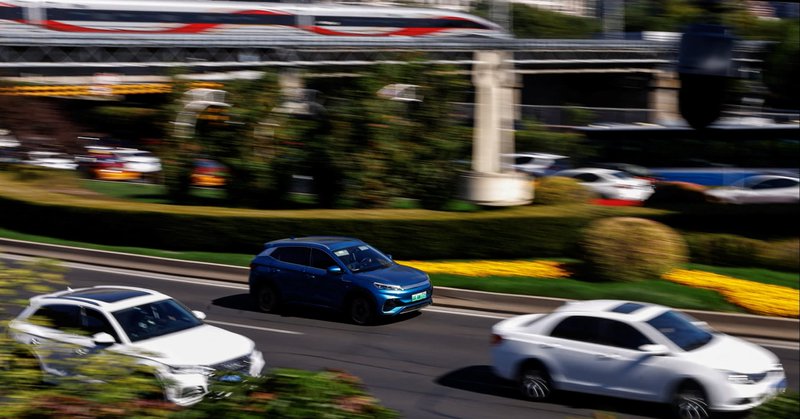
The FT recently highlighted something we rarely talk about in energy policy: noise pollution. As EV adoption accelerates, cities like Beijing, Shanghai, and Shenzhen are experiencing something remarkable — quieter streets, smoother traffic, and even better sleep for residents.
28
89
235
Electrification + efficiency — not rolling back climate policy — is the real path to a competitive European industry. High fossil fuel prices hit industry hardest, not the Green Deal. Undermining clean-energy commitments would only push investment elsewhere. My interview with
26
56
167
Capital flows to the energy sector are set to rise in 2025 to USD 3.3 trillion, a 2% rise in real terms on 2024. Around USD 2.2 trillion is going collectively to renewables, nuclear, grids, storage, low-emissions fuels, efficiency and electrification, twice as much as the USD
3
13
58
Last year I gave a keynote in Berlin at Forum Wärmepumpe organised by @BWPev Now the recording is online for those who missed my talk. It is in German I'm afraid. https://t.co/sxUmL3YLjX
1
4
19
In recent years I’ve seen a lot of misinformation around heat pumps. One of the world's top experts on heat pumps, Marek Miara at Heat Pumps Watch, tackles misinformation in his recent article “The Heat Pumps Fact-Check” and delivers a strong reminder: many of the common
17
35
109
Electrification + efficiency — not rolling back climate policy — is the real path to a competitive European industry. High fossil fuel prices hit industry hardest, not the Green Deal. Undermining clean-energy commitments would only push investment elsewhere. My interview with
26
56
167
The energy transition happens often in unlikely places at unprecedented rates. Take Nepal: Over the past year, electric vehicles accounted for 76 percent of all passenger vehicles and half of the light commercial vehicles sold in Nepal. Five years ago, that number was
50
123
416
This is such a useful heuristic device - the six phases of renewable energy integration: @IEA lays out the typical challenges and examples of how various countries have addressed them in their excellent report. There are already several examples of countries entering the high
18
53
194