
Erik Stokstad
@erikstokstad
Followers
3K
Following
57
Media
298
Statuses
2K
Reporter at Science Magazine, covering environmental research & issues. Tweets focus on news from the scientific literature. Views my own.
Washington, DC
Joined January 2009
"The project required a certain amount of craziness,” says @sara_mmendes, who took on a huge--*huge*--literature review for her dissertation.
2
1
5
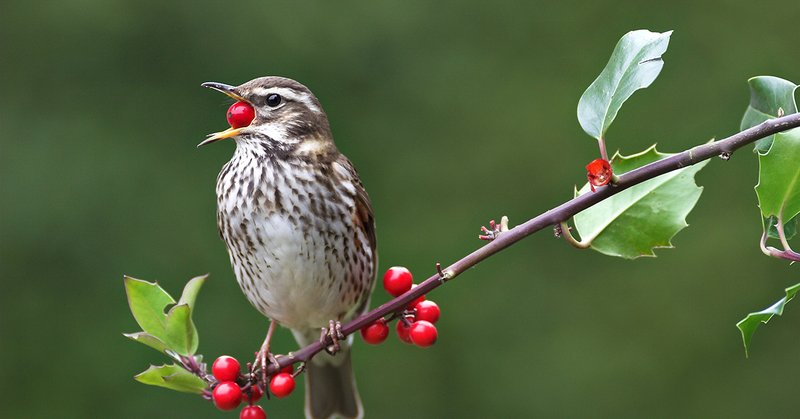
"Evidence of European seed dispersal crisis" from network and conservation analysis of plants spread by birds, mammals, and other creatures.
science.org
First broad look at conservation status of animals that transport seeds raises alarms
2
10
24

Truth is almost stranger than fiction.... ‘Cocaine sharks’ found in waters off Brazil | Science | AAAS
0
2
1

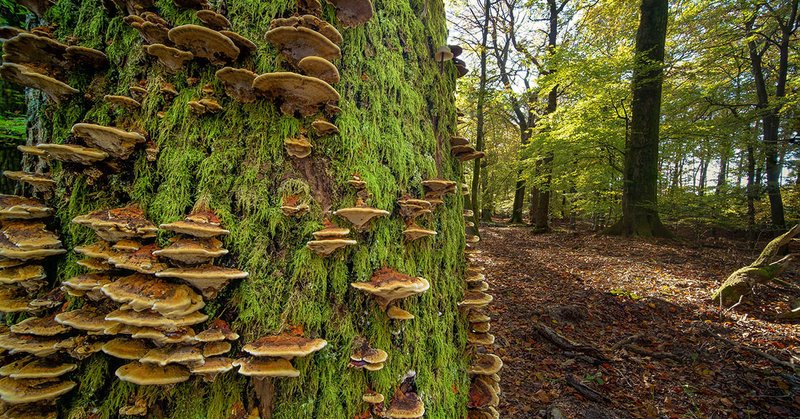
Exciting to see our preprint covered in @ScienceMagazine by @erikstokstad. This was such a fun project, exploring the world of microbial diversity inside living trees! More than 1 trillion microbes live inside the average tree trunk | Science | AAAS
science.org
Healthy wood contains vast numbers of bacteria, archaea, and fungi that might lead to ways to protect trees
0
13
38

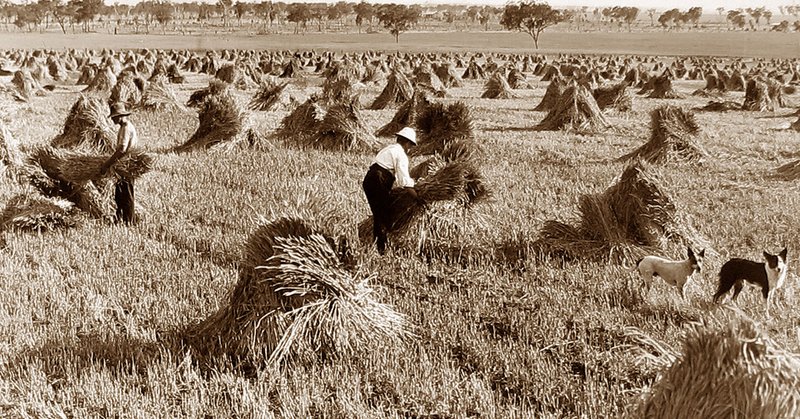
Brilliant article by @erikstokstad in @ScienceMagazine on the wonders of Watkins collection, looked after by @JohnInnesCentre. @bofinfarmers now has 2 projects with farmer-led trials of these intriguing wheats @slimersproject & @_truth_project Join us
science.org
Historic traits could make modern wheat more resilient to disease and other stressors
0
6
17

🌾 Excellent to see the results from 10-years of analysis of the AE Watkins landrace wheat collection led by Simon Griffiths & Shifeng Chen. 🪙 Read more about the significance of the ‘Gold mine’ it uncovers by @erikstokstad @ScienceMagazine
https://t.co/sakkhlHn3v
science.org
Historic traits could make modern wheat more resilient to disease and other stressors
0
14
50

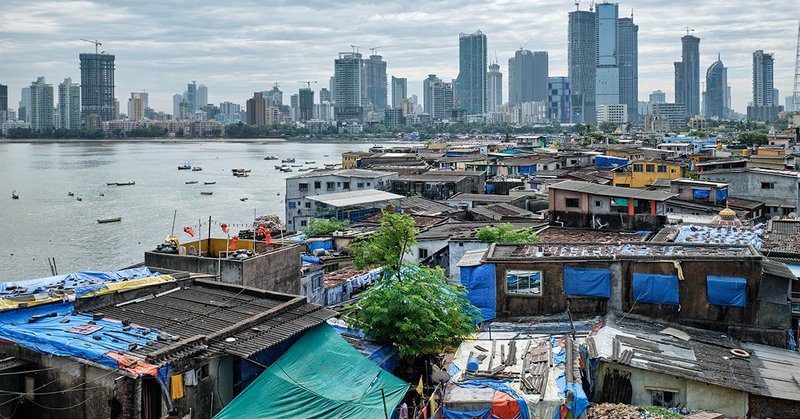
How much stuff does it take to not be poor? About 6 tons per year | Science | AAAS https://t.co/feNutz09L6 Our work featured by @erikstokstad @ScienceMagazine
science.org
That’s the average amount of food, fuel, clothing, and other supplies per person, researchers calculate in first-of-its-kind study
2
14
49

Light pollution is rapidly increasing worldwide, causing serious harm to the natural world, human health, and astronomy. This week, a special issue of @ScienceMagazine discusses the damaging effects of light pollution and how to tackle it. https://t.co/n0p8gJeQr0
7
58
171


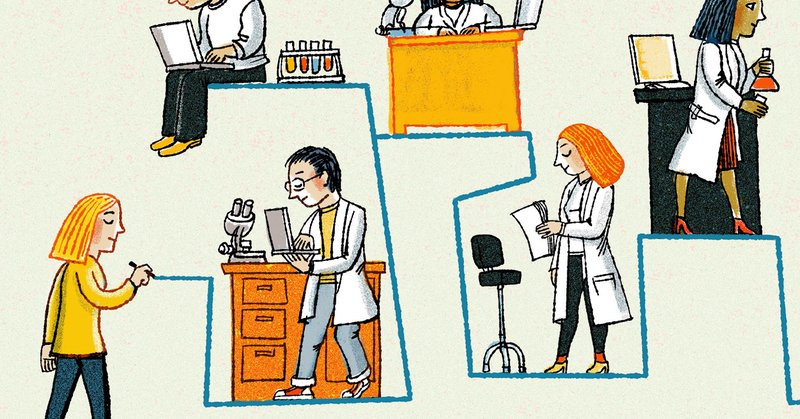
A mortifying interview. An important wake up call. A chance to try something new. Here are our most read personal essays by scientists in 2022. @ScienceMagazine #ScienceTwitter #AcademicChatter
https://t.co/0TdKiw7d0I
science.org
Teaching scientific failure. Writing in English. This year’s most read Working Life essays
2
13
34


Are you a journalism major interested in getting more science journalism experience? Apply for the Diverse Voices Science Journalism internship at @NewsfromScience. We're looking for *three* people to join us next summer! More details here: https://t.co/6OE3l0n88C
#divsciwri
1
17
13
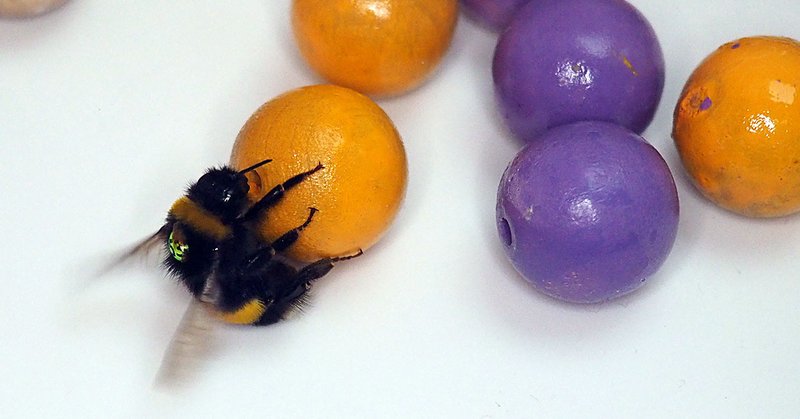
Young bumblebees enjoy rolling around on balls, @SamadiHGD & @LChittka have discovered. Could it be play?
science.org
First example of insects seemingly having fun with objects adds to evidence for emotions
0
4
10
Impressive video and new insights from a study of Kīlauea destructive eruption in 2018. https://t.co/uw73JqUXJR

science.org
Ripples in molten rock helped improve flow forecasts during a destructive eruption in Hawaii
1
0
0
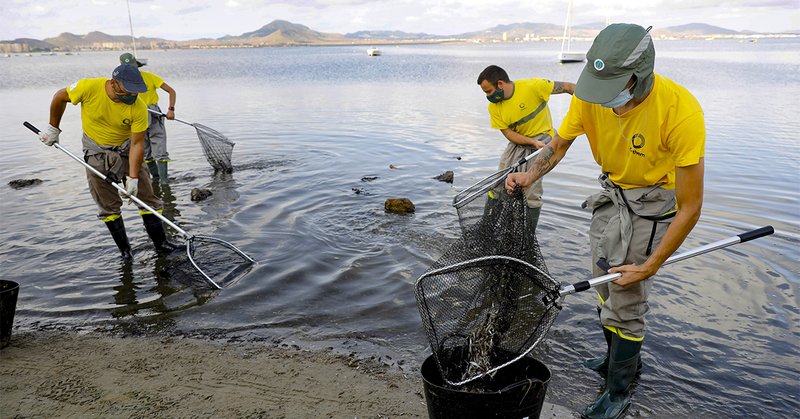
An endangered lagoon in Europe has been granted personal legal rights.
science.org
In a first for Europe, country borrows concept from Indigenous science to protect endangered body of water
0
1
2

President Joe Biden’s administration has announced that, by the end of 2025, federal agencies must make papers that describe taxpayer-funded work freely available to the public as soon as the final peer-reviewed manuscript is published.

science.org
Policy is a blow to journal paywalls, but its impact on publishing is unclear
4
47
75

Bioengineering soybean plants to improve regulation of photoprotection—a natural process that enables plants to cope with excess absorbed light energy—improved soybean seed yield by up to 33% in field trials. Read that study and more this week in Science: https://t.co/0SmI5qA2CI
5
69
205
Not sure about the salad, but everything else in the solar system looks delicious. HT @scchak

I used Midjourney to imagine the Solar System as food. Here's Jupiter as a sandwich.
0
0
2
Senate climate deal's pathway to 40% emission cuts passes muster, say energy system modelers. https://t.co/yCMbOjzfl7
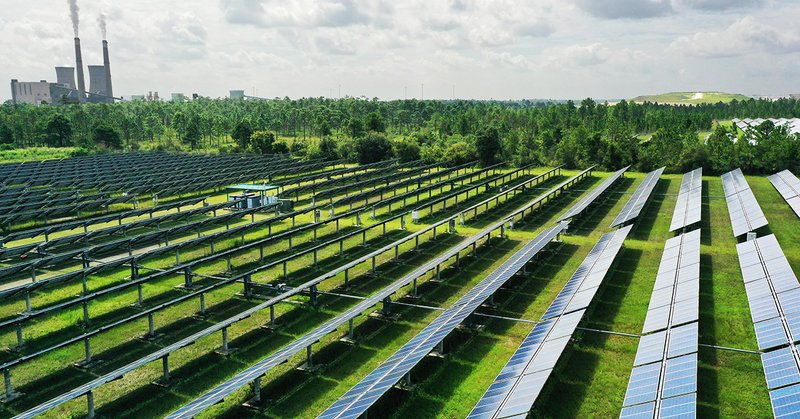
science.org
But more action is needed to reach Biden’s pledge to halve emissions by 2030
0
1
1