

Nicotine & Tobacco Research Journal
@NTR_Journal
Followers
2K
Following
1K
Media
158
Statuses
2K
Official journal of the Society for Research on Nicotine and Tobacco @srntorg | Bluesky https://t.co/MkGHikOUzJ | LinkedIn https://t.co/1bVIGe
Joined September 2019
E-cigarettes and oral nicotine pouches are acceptable among low-income adults who smoke daily and may potentially help with reducing cigarette use, find Dale Dagar Maglalang et al. https://t.co/zcjj9vuzsK

academic.oup.com
AbstractIntroduction. Adults with low-income (LI) are more likely to smoke. Alternative Nicotine Delivery Systems (ANDS) like electronic cigarettes (EC) an
0
6
11
Heated tobacco product use likely contributed to declines in cigarette use in Japan from 2015-2018, though recent trends are less conclusive, finds scoping review by Mona Issabakhsh et al. https://t.co/6EphEg0lRI

academic.oup.com
AbstractIntroduction. The emergence and rapid increase in sales and use of heated tobacco products (HTPs) in Japan provides a unique case study of their vi
0
1
2
Self described medical experts on YouTube play a key role in driving journeys from anti- to pro-tobacco videos, potentially exposing health information seekers to content that may undermine their health goals, find George Pearson et al. https://t.co/o8LU6Jvuz9

academic.oup.com
AbstractIntroduction. Information seeking is among the most common uses of YouTube, the most popular social media site among youth. YouTube’s recommendatio
2
1
1
There is high public support for tobacco control laws in Malaysia, find Chandrasekhar Sreeramareddy et al. https://t.co/jq1EBVZR2n

academic.oup.com
ABSTRACTIntroduction. Studies on public support for tobacco control laws inform implementation strategies. We assessed public support for the Control of Sm
0
0
1
Human primary mesenchymal stem cells fail to recover full osteogenic differentiation potential following washout of electronic cigarette aerosol extracts, find Abdullah Shaito et al. https://t.co/717eG5Q0fp
academic.oup.com
IMPLICATIONS This study provides insight on the impact of electronic cigarettes on repair mechanisms mediated by stem cells. Importantly, it also examines
0
0
0
Yoga interventions appear to improve smoking quit rates, but evidence is uncertain and variable across studies, finds meta-analysis by Shruti Singh et al. https://t.co/ZCnIwaHJXh
academic.oup.com
AbstractIntroduction. Tobacco consumption is a global epidemic with high relapse rate. A complementary methods like yoga, recognized for addressing psychol
3
0
3
Surveys may misclassify people who vape cannabis in an electronic nicotine product as exclusively vaping nicotine, leading to inaccurate assessments of use, find Cara Drake et al. https://t.co/Z5xcKsJEa9
academic.oup.com
ABSTRACTPURPOSE. People use similar devices to vape nicotine and cannabis, potentially causing misclassification error in surveys. This study aimed to 1) d
0
2
5
School staff identify inefficient investigations of suspicious behavior, as well as inconsistent consequences as ongoing contributors to vaping in middle schools, find Veronica Weser et al. https://t.co/44Fe1xbefc
@xrpeds
academic.oup.com
AbstractIntroduction. Vaping is the most common form of drug use among U.S. students, yet schools struggle to enforce policies due to the discreet nature o
0
1
2
Beyond the Smoke: The Enduring Imperative of Animal Models in Unraveling the Complexities of Nicotine Addiction Editorial by Ming Li https://t.co/m3tc8wIsac
academic.oup.com
Tobacco use remains the leading preventable cause of death worldwide, contributing to over 8 million deaths annually.1 Nicotine, the primary psychoactive a
0
0
2
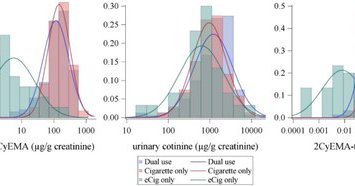
The cyanoethyl mercapturic acid (smoke exposure) to cotinine (nicotine exposure) ratio is an effective measure for classifying tobacco use status among cigarette only, e-cigarette only, and dual use users, find Alma Nieto et al. https://t.co/MkYb84o74r
academic.oup.com
AbstractIntroduction. Cotinine (nicotine exposure) and cyanoethyl mercapturic acid (2CyEMA, smoke exposure) are known biomarkers for classifying tobacco us
0
1
3
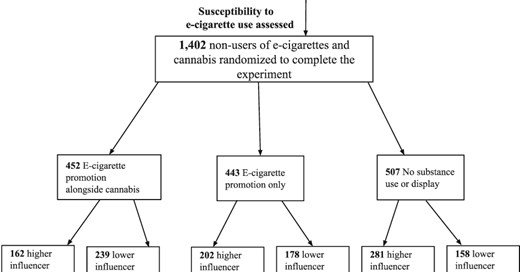
Influencer e-cigarette promotion alongside cannabis, and perceptions of influencers as credible, may contribute to e-cigarette use intentions if a friend offers among adolescent never-users, find Julia Vassey et al. https://t.co/n4v05fZuSu
academic.oup.com
AbstractIntroduction. Micro-influencers (1000–100 000 followers) promote e-cigarettes alongside cannabis on social media. This study examined the associati
1
0
1
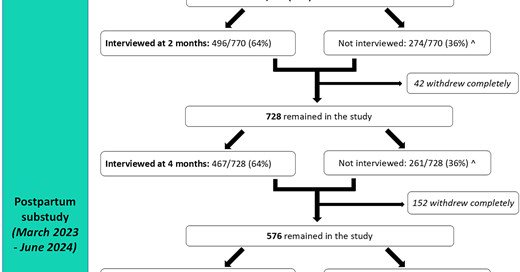
Postpartum women identify interventions addressing stress, mental health, and regulatory environments and supporting parenting motivations as being helpful for quitting or preventing relapse to smoking and vaping, find Larisa Barnes et al. https://t.co/ERwDM0oPhK
academic.oup.com
AbstractIntroduction. High postpartum smoking relapse rates indicate opportunities to address nicotine dependence. Data on postpartum vaping are scarce. Th
0
1
2
A computer vision model can accurately distinguish large cigars from non-cigar images, offering a novel and scalable approach to tobacco product monitoring on social media and other digital media, find Grace Kong et al. https://t.co/tCEbh4Mxw6

academic.oup.com
AbstractIntroduction. Large cigars, which include premium cigars and large manufactured cigars, are widely promoted on social media and digital media, high
1
0
3
Adolescents and young adults report they are more likely to purchase and use e-cigarettes when exposed to and receptive to e-cig retail marketing - particularly when products are easily accessible and advertised prominently, find Madison O’Connell et al. https://t.co/dP0oXywJtR
academic.oup.com
AbstractIntroduction. Although e-cigarette retail marketing correlates with adolescent and young adult (AYA) e-cigarette use, little is known about whether
8
1
6
Increasing trends in cigarette discontinuation rates among adults who use electronic nicotine delivery systems in the US are not specific to any flavor, device type, or age group, find Karin Kasza et al. https://t.co/4BUiWBQSzN
academic.oup.com
AbstractIntroduction. Cigarette discontinuation rates among adults who smoked cigarettes in the United States (US) diverged across 2013/14–2021 between tho
2
1
6
People who smoke cigarettes and use cannabis are more responsive to cigarette prices than those who smoke cigarettes but do not use cannabis, find Tingting Yao et al. https://t.co/lsfCACffYb
academic.oup.com
AbstractIntroduction. Cigarettes and cannabis are commonly co-used, but little research has examined how cannabis use relates to cigarette price responsive
0
2
3
Reflections on an Editorial year Editorial by Editor-in-Chief Caitlin Notley https://t.co/iKREyBJ0ni
@caitlinnuea

academic.oup.com
It has been (almost, at the time of writing) 1 year since I came into post as Editor in Chief of Nicotine & Tobacco Research. I thought I would take th
0
2
4
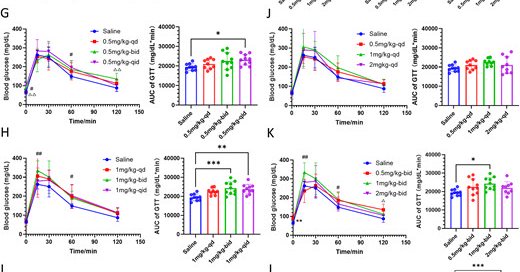
Nicotine’s metabolic safety profile is governed more by how often it is used than by the nominal dose, finds animal study by Runwen Qin et al. https://t.co/VQhRtqq3km
academic.oup.com
AbstractIntroduction. Nicotine-replacement products and e-cigarettes are increasingly used, yet the independent metabolic effects of nicotine on glucose an
0
0
0
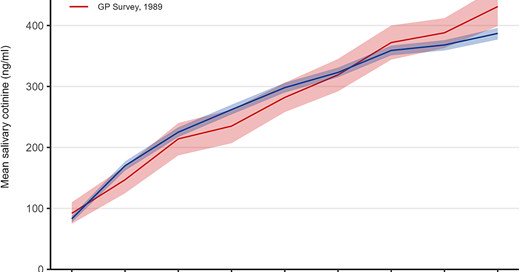
@DrSarahEJackson More from the lead author here:

New paper proposes a new self-report measure of nicotine dependence: the Short Nicotine Dependence Index. ➡️Two items assess urge to use and difficulty abstaining ➡️The scale outperforms existing short tools in predicting nicotine exposure 🧵 https://t.co/44X0Yvu7N5
0
1
1
The Short Nicotine Dependence Index: a new simple and versatile self-report measure of nicotine dependence for general populations developed by Sarah Jackson et al. https://t.co/qBtaj03R6Y
@DrSarahEJackson
academic.oup.com
AbstractIntroduction. Nicotine dependence measures often rely on self-reported cigarette consumption, which has declined over time and may not accurately r
1
2
6