

Information Technology and Innovation Foundation
@ITIFdc
Followers
24K
Following
1K
Media
4K
Statuses
43K
The leading think tank for science & technology policy. Covering tech, innovation, economics, IT, telecom, trade, clean energy & more: https://t.co/YQpdpsRuGt
Washington, DC
Joined July 2010
The Sunset Section 230 Act was introduced this week, but eliminating these protections would backfire. Our full statement⤵️ https://t.co/OzaHfQe8EA
0
1
2
This week, @SenSanders called for a moratorium on building data centers, fearing AI & robotics will lead to mass unemployment. As @Castrotech explains, the lump-of-labor fallacy ignores reality: automation boosts productivity & creates new opportunities.
0
4
8
@castrotech 2/ A closer look at what the Trump administration gets right—and wrong—on this: https://t.co/duzGcxzdVC
itif.org
The Trump administration’s decision to allow H200 chip sales to China is strategically sound because it keeps Chinese firms reliant on U.S. technology, supports American chipmakers’ R&D, and preser...
0
0
0
Export controls can either reinforce U.S. technological leadership or accelerate China’s alternatives. The debate over Nvidia’s H200 shows why that distinction matters.
1
1
1

Need a job? Join ICE today. ICE offers competitive salaries & benefits like health insurance and retirement plans.
12K
22K
126K
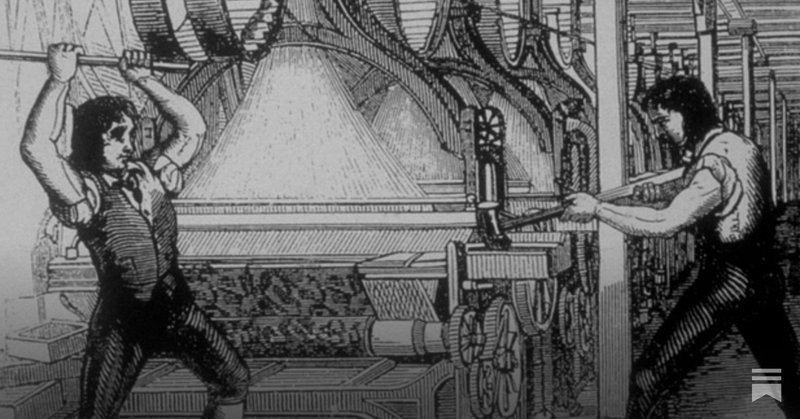
Many economic historians reject the idea that average UK wages didn't rise for decades. Inane claims about the rich hoarding profits fit a broader agenda to constrain AI and capitalism today. Bad history risks bad policy, explains @RobAtkinsonITIF ⤵️
policyarena.org
Detractors of capitalism argue that it took over fifty years for the British Industrial Revolution’s benefits to reach average workers. That narrative is at best contested and, at worst, wrong.
0
0
2
It’s trending to claim the British Industrial Revolution took over 50 years to benefit average workers, while greedy capitalists got quick gains. We’re told AI will repeat this story, wiping out many jobs and enriching just a few tech bros. 🫱 This is a misreading of history.
1
1
3
ITIF’s Big Tech Policy Tracker shows this trend is global. Japan’s law is another example of rules that weigh down U.S. tech while giving Chinese companies a clear advantage. Read more below 👇 https://t.co/CnYjvEXZEG
itif.org
Japan’s Smartphone Software Competition Promotion Act (SSCP) is an ex ante measure that restricts the operations of major smartphone software providers rather than policing anticompetitive conduct on...
0
1
0
Laws like this are non-tariff attacks—a new category of trade weapon consisting of discriminatory operational constraints and revenue extraction tools that are designed to target and weaken leading U.S. tech companies.
1
1
1
🧵TODAY (Dec 18) Japan’s Smartphone Software Competition Promotion Act takes effect, forcing Apple & Google to open their devices to alternative app stores and payment systems. Global regulations like this are part of a growing trend that targets U.S. tech and slows innovation.

Dec. 18 will mark the enforcement of a new law aimed at curtailing the dominance of technology giants and fostering competition in the Japanese market. How far is the law going, and what will change for consumers?
1
2
3
From both sides of the aisle, government pressure on platforms to censor lawful content is becoming normalized. Protecting free speech means keeping politics—of any party—out of content moderation decisions. @ashljnsn explains👇 https://t.co/kaDYyjj1hL
0
2
2


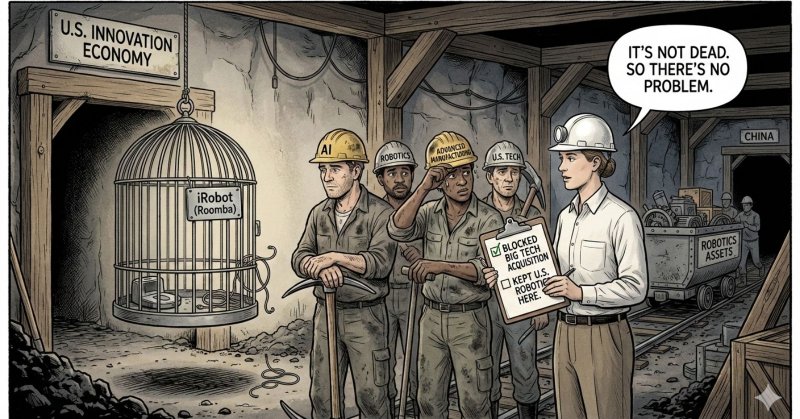
Only a few years ago, regulators worked to block Amazon’s acquisition of iRobot. That decision reflected a narrow, short-term view that prioritized scoring a political win against a large U.S. technology company while discounting the broader consequences for American innovation.
2
5
6


Chairman @BrendanCarrFCC is right that the EU Space Act is wrong to target US space companies for their success. @ITIFdc's explanation here:

itif.org
Space safety is an important and shared interest of governments, private industry, and consumers around the world. But a regulatory framework for it should be evidence-based and even-handed. If the...
0
2
2
A key takeaway from our data-center energy work this year: rising electricity demand isn’t the real problem—poor load management is. With smarter usage, grid flexibility, and existing tools, data centers can grow without squeezing everyday customers.
If policymakers modernize rules and operators use their built-in flexibility, AI-driven growth does not have to squeeze other customers. Smart management turns a looming challenge into a solvable one. https://t.co/4BJhttrcnZ
0
1
1
To learn more about how the United States can respond, check out Defending American Tech in Global Markets, which outlines concrete policy solutions to counter non-tariff attacks and defend U.S. competitiveness abroad. 👇

itif.org
“Non-tariff attacks” on U.S. tech companies are not just tax and regulatory hurdles—they are also eroding America’s strategic edge. Washington must identify, deter, and counter these measures in...
0
0
1
These measures systematically target US tech firms, divert investment from innovation, and tilt global markets against American firms. Our Big Tech Policy Tracker shows how widespread and coordinated these actions have become.

itif.org
ITIF’s Big Tech Policy Tracker is a knowledge base documenting domestic and international policies that undermine leading U.S. technology companies’ ability to innovate and compete at a time when...
1
0
0
The @USTradeRep is right to raise the alarm. Foreign governments are escalating non-tariff attacks on US technology companies through discriminatory regulation, fines, and litigation.

The European Union and certain EU Member States have persisted in a continuing course of discriminatory and harassing lawsuits, taxes, fines, and directives against U.S. service providers. U.S. services companies provide substantial free services to EU citizens and reliable
1
1
4
This isn’t just about vacuums. It’s about who controls critical consumer tech, AI-enabled devices & data on US homes. When anti-Big Tech regulators attack procompetitive deals, America loses both jobs & strategic advantage. 4/4 @JosephVConiglio
itif.org
The story of Amazon’s abandoned plans to acquire the home service robotics company iRobot should serve as a stark warning of the dangers posed by the ongoing antitrust war against American technology...
0
1
2