

Nick Krontiris
@nick_krontiris
Followers
19K
Following
31K
Media
14K
Statuses
98K
Founder, Suprastratum. Health, Fitness, Nutrition.
Porto Rafti, Greece
Joined June 2017
Cardiovascular-Kidney-Metabolic (CKM) Syndrome: Prevalence, Risks, Disease Trajectories, and Early-Stage Management (open access) https://t.co/IXw9zhTatc
journals.physiology.org
Cardiovascular-Kidney-Metabolic (CKM) syndrome affects approximately 90% of US adults, arising from the convergence of metabolic dysfunction, chronic kidney disease (CKD), and cardiovascular disease...
0
0
0
This review synthesizes current evidence on Cardiovascular-Kidney-Metabolic (CKM) epidemiology, pathophysiology, and disease trajectories.
1
0
0

The (only) 4 things common to those times in my life when I considered myself "fit" 1/ I was training a lot. 2/ I was eating a lot. 3/ I was sleeping a lot. 4/ I wasn't working a lot. Thank you for coming to my TED talk.
6
4
162
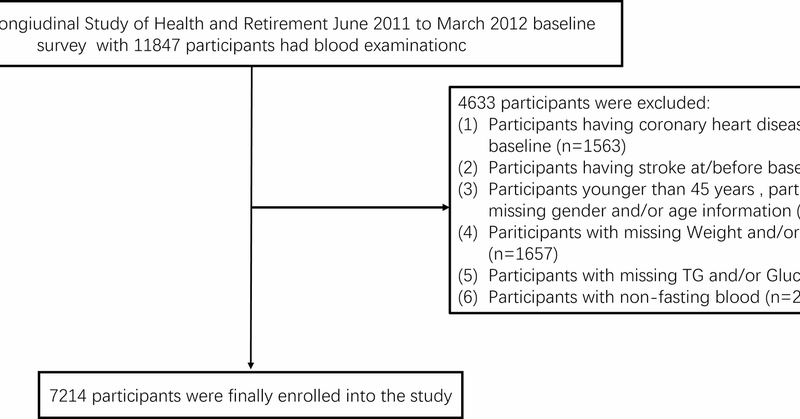
Association of body roundness index with cardiovascular disease in early Cardiovascular-Kidney-Metabolic syndrome stage 0–3: mediation by the triglyceride-glucose index in a national cohort study (open access) https://t.co/WULVRBTy4b
link.springer.com
Diabetology & Metabolic Syndrome - Cardiovascular-Kidney-Metabolic (CKM) syndrome, encompassing metabolic dysfunction, chronic kidney disease, and cardiovascular disease (CVD), represents a...
0
0
1
Here, the body roundness index (BRI), a novel obesity metric which reflects visceral and total body fat using waist circumference and height, was found to be associated with increased an risk of cardiovascular disease in US adults in early Cardiovascular-Kidney-Metabolic syndrome
1
0
2
Intranasal insulin affects brain, but not peripheral tissue, glucose uptake in lean, healthy men - a positron emission tomography study (open access) https://t.co/ZhdWcddzGN

journals.physiology.org
The brain has been suggested to regulate glucose metabolism in response to insulin in various tissues. As many of these findings have not been studied in humans, we aimed to assess the effects of...
0
0
0
In this study, intranasal insulin failed to alter hepatic, skeletal muscle or adipose tissue glucose metabolism, but did induce a global decrease in brain glucose uptake.
2
0
3
Incorporating 25 g/day of pea fiber into food for four weeks reduces glucose area under the curve in individuals with overweight and obesity (open access) https://t.co/CWE7szaB9r
0
0
0
- The changes in fasting triglycerides, LDL-c, HDL-c, and total cholesterol as well as changes in blood pressure, body weight, waist circumference, and body composition measures were not significant when the two groups were compared.
1
0
0
- Within-group analysis indicated a lower total glucose area under the curve at Day 28 compared to Day 0 in the high-fiber but not in the low-fiber group.
1
0
0
The insulin time by group interaction for the insulin time course graph was such that within each of the low-fiber and high-fiber groups, the insulin response at timepoints 15 through 120 was higher than that at time 0 and this effect was more pronounced in the low-fiber group
1
0
0
- In this study, a significant time-by-group interaction for insulin responses occurred.
1
0
0
Anthropometrics, body composition, and blood pressure were also assessed.
1
0
0
- During the meal test, fasting and postprandial blood samples were taken for measurement of total cholesterol, LDL-c, HDL-c, triglycerides, glucose, and insulin concentrations.
1
0
0
- At the beginning (Day 0) and end of the intervention (Day 28), a meal test challenge lasting 4.5 hours was completed.
1
0
0
- Participants were randomly assigned to receive either a low (5 g/day of pea fiber) or a high-fiber (25 g/day of pea fiber) diet for 4 weeks in a parallel-arm, repeated-measures, randomized design.
1
0
0
- This study investigated the acute and chronic (4 weeks) effects of consuming either a low-fiber or a high-fiber diet (pea fiber incorporated into meals) on markers of cardiometabolic risk in individuals with overweight or obesity having at least one characteristic of the
1
0
0
Here, incorporating 25 g/day of pea fiber into food for 4 weeks led to improved glucose control in individuals with overweight and obesity.
1
0
1
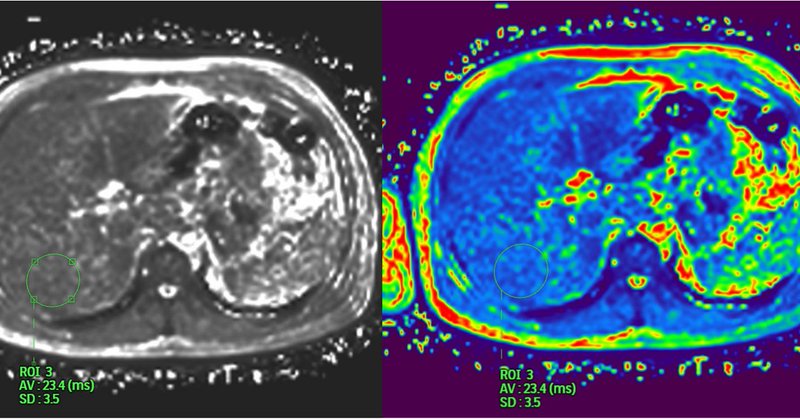
The role of adipose tissue in liver fat accumulation: a sex-specific analysis in an exploratory cross-sectional study (open access) https://t.co/KTNFF1D3FY
link.springer.com
Lipids in Health and Disease - Visceral (VAT), subcutaneous (SFT), and total body fat (FM) contribute to hepatic steatosis, yet their relative and sex-specific effects across total, regional, and...
0
0
0