WWF SciComm
@WWFCA_SciComm
Followers
2K
Following
2K
Media
946
Statuses
6K
Our future is #irREVERSIBLE. Visit our website to learn more about how we can #RegenerateCanada 👇
Canada
Joined September 2016
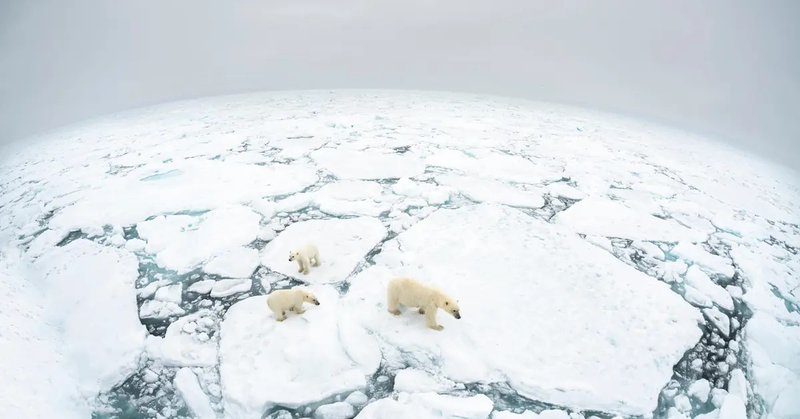
A recent high-resolution climate study reveals the Last Ice Area may be more vulnerable to climate change than previously thought. This area is crucial for ice-dependent species like 🐻❄️, narwhals & walruses. Explore these findings & their implications.
wwf.ca
The Last Ice Area may transition from a refuge for multi-year sea ice to a seasonally ice-free system about 10 years after the Arctic loses its summer ice.
0
0
1
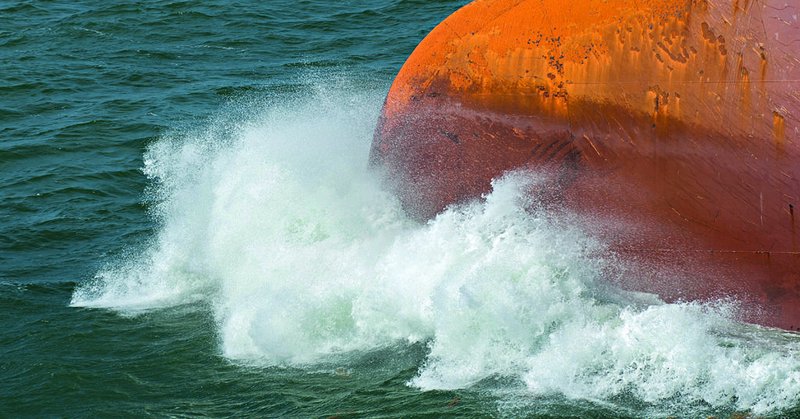
DYK by reducing 🚢 speeds by just 10%, we can decrease energy use, significantly cut GHG emissions & reduce underwater noise pollution? This practice known as "slow steaming" benefits the environment, enhances vessel safety & reduces operational costs. https://t.co/6UUx02CfkV
wwf.ca
As arctic shipping accelerates due to sea-ice melt, here's how "slow steaming" minimizes harms to wildlife and climate while cutting costs for operators.
0
0
0
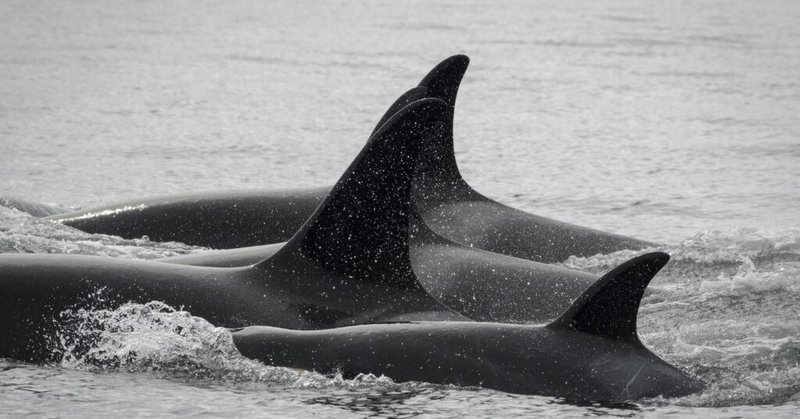
“Although the southern residents are in crisis right now, this is really an opportunity to do something. We need to stop dragging our feet and start getting things done if we’re going to have any chance of recovering these orcas.” — Hussein Alidina https://t.co/hojDWa5URA
thenarwhal.ca
Conservation groups want a federal emergency order to protect endangered whales
0
0
0
"The window is not just closing for govt to act, BUT for these orcas." - Hussein Alidina 🐋 With only 73 Southern Residents left, that’s why we're taking legal action to demand urgent protections for their critical habitat. 🗣️ Help #SaveThe73 today: https://t.co/m9IF15kAas
0
1
0
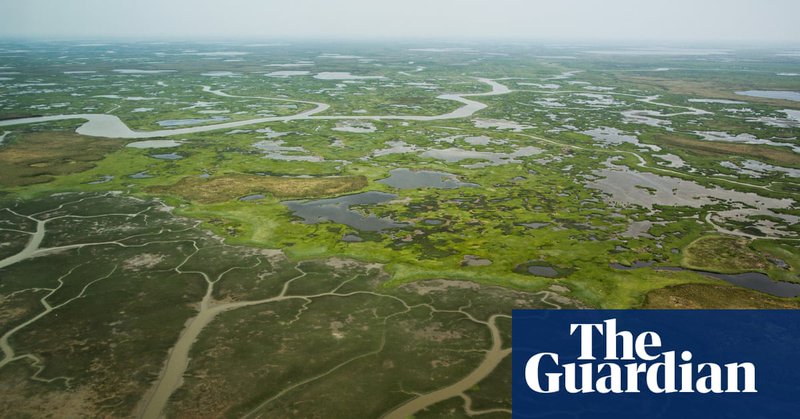
"A third of the Arctic’s tundra, forests and wetlands have become a source of carbon emissions, a new study has found, as global heating ends thousands of years of carbon storage in parts of the frozen north." https://t.co/V1t5G66i5Z
theguardian.com
Critical CO2 stores held in permafrost are being released as the landscape changes with global heating, report shows
0
0
0
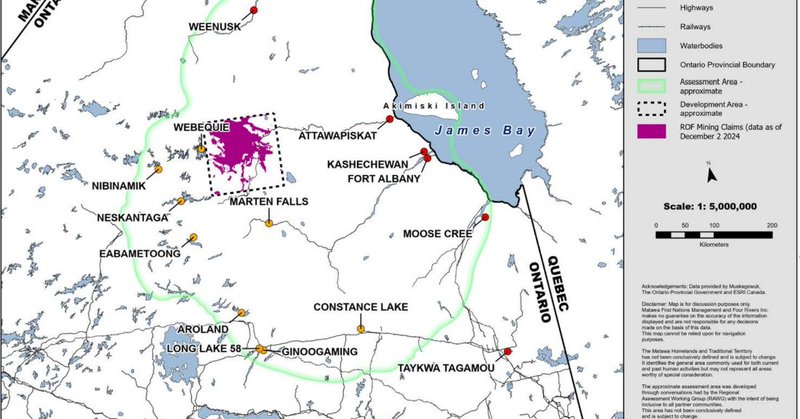
An assessment of the Ring of Fire "won't determine whether mining can or can’t take place but collect information through largely community dialogue and traditional knowledge gathering, to identify any potentially harmful impacts of mining." https://t.co/zTkDehs8bR
northernontariobusiness.com
With an election looming, feds and First Nations to study the pros and cons of Far North mine development
0
0
0
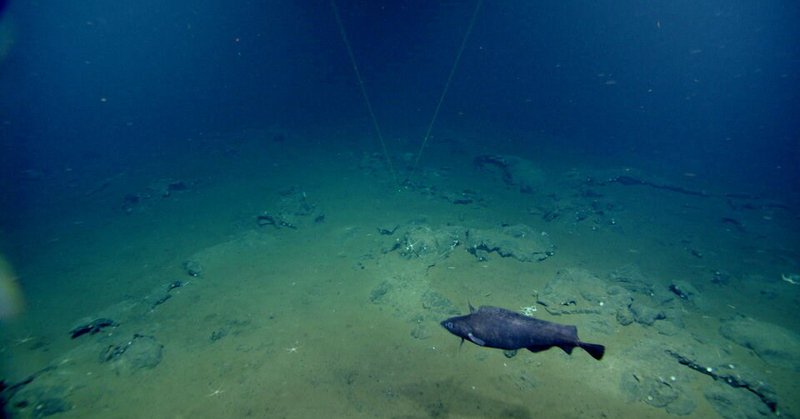
According to a #newstudy published in @FACETSJournal, "just the top 30 centimetres of Canada’s exclusive economic zone contains almost 11 billion tonnes of carbon. That’s equal to half the carbon stored in Canada’s forests." https://t.co/cqy9EJO9HQ
biv.com
A new B.C.-led study has mapped 274 carbon hot spots found on Canada's sea floor.
0
0
0
"If Indigenous communities thrive, we all benefit.” – Ken Paul, Wolastoqey First Nation Indigenous communities across 🇨🇦 are leading the way in implementing the GBF, blending traditional knowledge with Western science to protect & restore ecosystems. https://t.co/g7ry7cz3gG
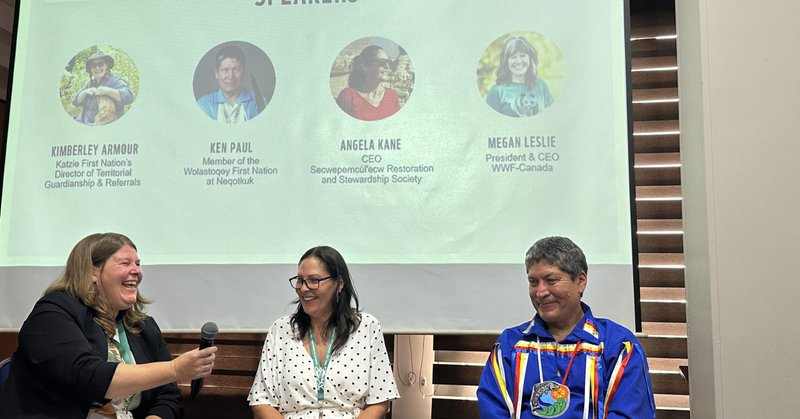
wwf.ca
"If Indigenous communities and Nations are leading this work, that value system inherent and woven through Indigenous knowledge is going to come out."
0
0
0
Tahlequah, a southern resident killer whale, has tragically lost another calf, carrying its body for weeks—just like in 2018. With only 72 residents left, her story highlights their urgent fight for survival. Read our Q&A to learn how you can help. 💙 https://t.co/sZ2DHQ21xR
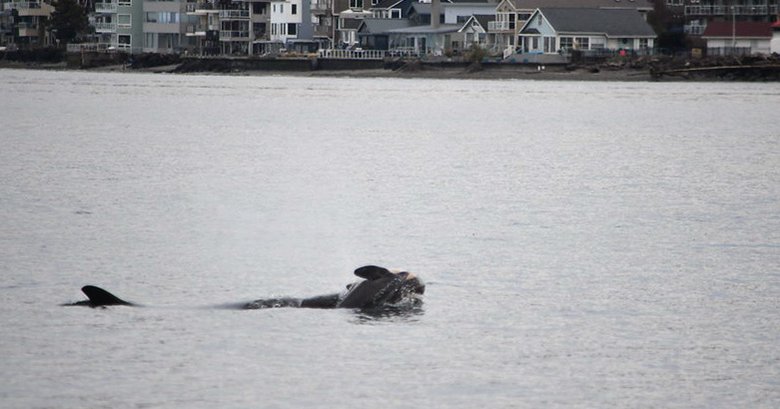
wwf.ca
It has been two weeks since Tahlequah was spotted carrying the body of her deceased calf. Can her loss finally spur an emergency order?
0
0
0
🌲 DYK primary forests are some of the 🌎 most ecologically significant forests? They store large amounts of carbon & provide habitats for countless species. BUT what are primary forests & why is defining it important? We get to the root of it in this Q&A.
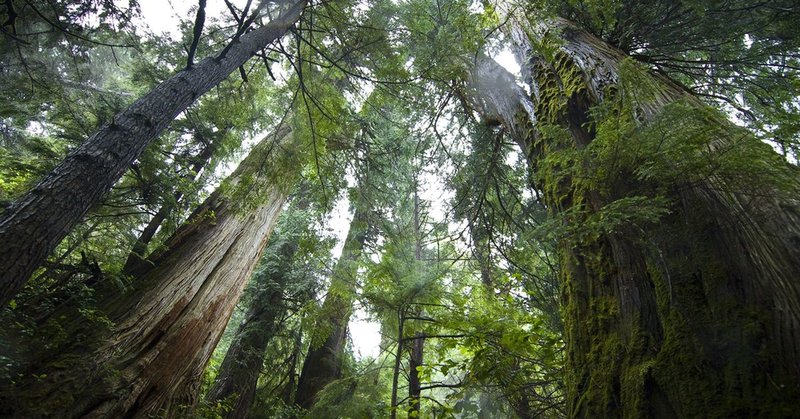
wwf.ca
Here's what WWF-Canada's doing to better understand primary forests, including what and where they are and which ones are worth protecting
0
0
0
Our oceans are alive with sound BUT not all of it's natural. Noise from shipping, construction & sonar make it harder for marine species to communicate, navigate & survive. 🇨🇦 has a draft Ocean Noise Strategy to address this issue BUT what happens next?

wwf.ca
The draft Ocean Noise Strategy lacks clear direction on how and when Canada intends to take action on underwater noise pollution.
0
0
0
Partially funded by WWF-Canada's Arctic Species Conservation Fund, researchers are studying how walruses react to shipping noise in Foxe Basin, where Baffinland Iron Mines could start shipping year-round through a port at Steensby Inlet. https://t.co/Nr43dHsBAa
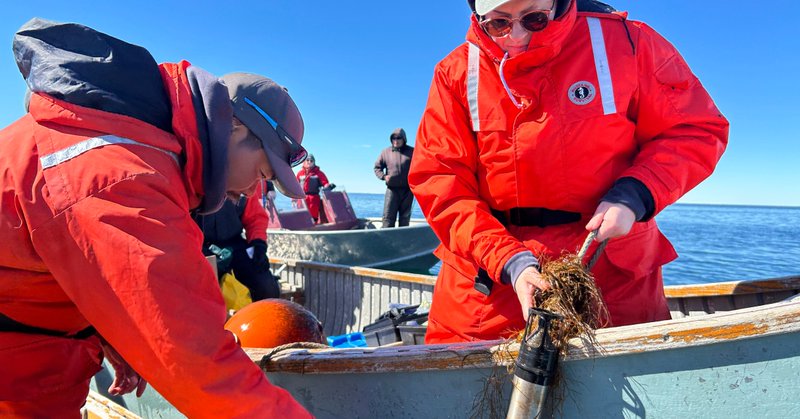
cbc.ca
Researchers are hoping to understand how walruses in the central Canadian Arctic react to shipping noise in the waters around them.
0
0
0
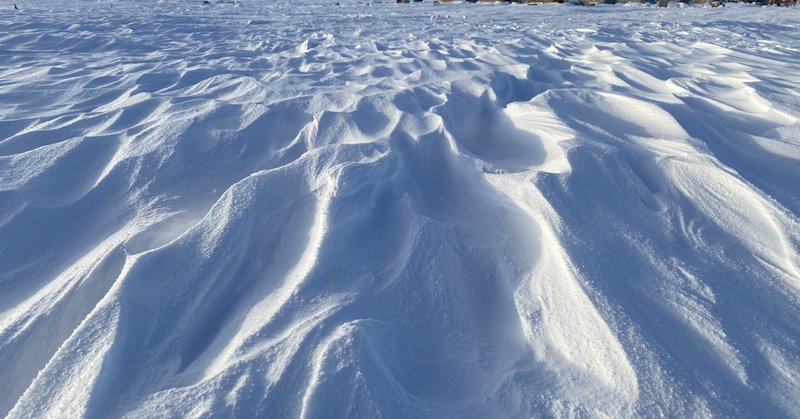
❄️ Inuit communities are leading the way in conservation through the power of knowledge-sharing. By connecting across regions, they’re protecting Arctic ecosystems while safeguarding traditional knowledge for future generations. 👉 Discover how.
wwf.ca
WWF-Canada is supporting regional-scale protection and conservation efforts by facilitating knowledge-sharing between far-flung Nunavummiut neighbours.
0
0
0
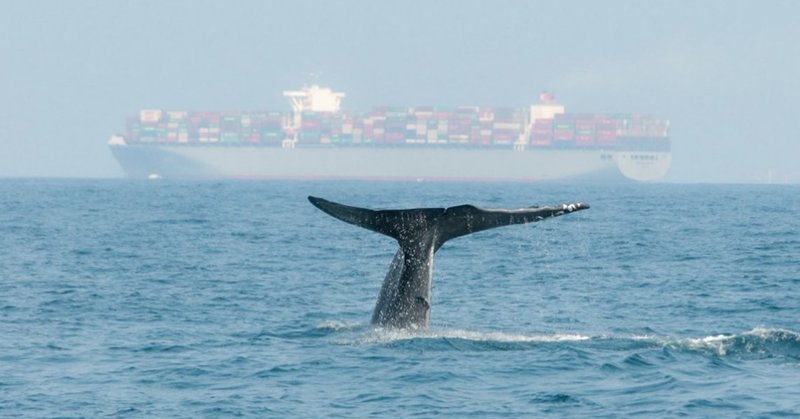
DYK scrubbers used in 🚢 are dumping toxic washwater into our oceans, harming marine life & ecosystems? But there’s hope—together, we can stand up for people & wildlife by telling the federal govt to ban scrubbers. 👉 Add your voice before January 19.
wwf.ca
WWF-Canada has long advocated for a scrubber ban—and now it's your chance! Have your say during Transport Canada’s public consultation on scrubbers.
0
0
0
#BREAKING: 2024 was the hottest year on record. Fossil fuels & the destruction of nature are driving climate chaos. 🔥 In 2025, we need more ecosystem restoration & protection AND more ambitious emissions reduction to lower impacts, create jobs & turn the temperature back down.
0
0
0
✨ A pit viper with eyelash-like scales ✨ A leafless orchid already at risk ✨ A mango-scented ginger These are just a few of the **173 plants, 61 animals, and 3 mammals** newly documented in the latest #MekongNewSpecies report.
0
1
0
👏🏼 for Canada's meaningful new carbon emissions reduction target! Getting emissions 45-50% below 2005 levels by 2035 is in line with UN IPCC scientists' assessment of what is needed to keep global warming to less than two degrees. https://t.co/Aj3Zj6uYMz
0
0
0
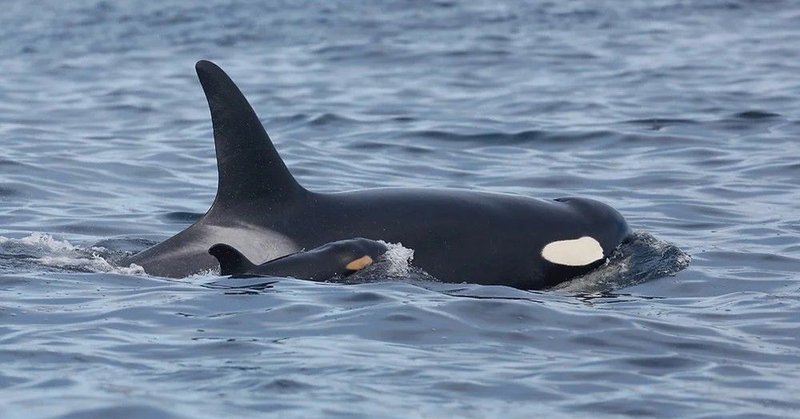
OPINION: "An emergency order from Ottawa would be a lifeline for 72 southern resident orcas, whose population has reached its lowest number in 30 years. The government refused such an order six years ago." https://t.co/lRO82mbWBY
vancouversun.com
0
0
0
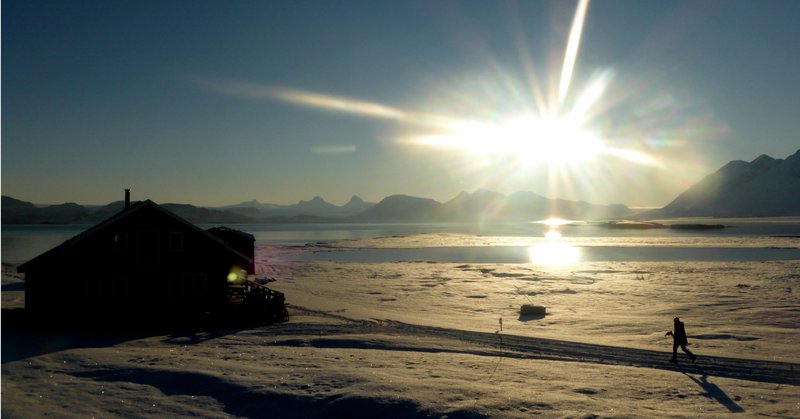
"The 2024 Arctic Report Card describes the North as entering a 'new regime,' where temperatures are rising faster than the global average and environmental changes are no longer just occasional records but part of a continuous, ongoing shift." https://t.co/TjtRtcUplh
rcinet.ca
The 2024 Arctic Report Card describes the North as entering a "new regime," where temperatures are rising faster than the global average and environmental changes are no longer just occasional...
0
0
0
"Adaptation is not new to Inuit. But amid unprecedented climate shifts, which are disproportionately affecting the coastlines in Canada’s Far North, Labrador Inuit communities are taking matters into their own hands." Read how 👇🏼
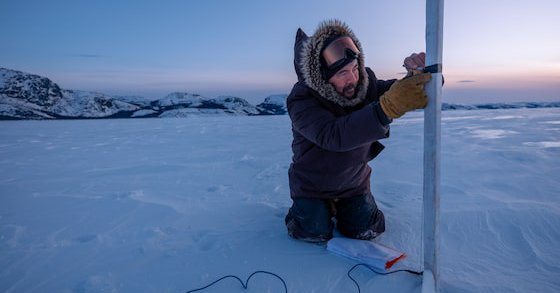
theglobeandmail.com
Weakening sea ice in Canada’s Far North is isolating remote fly-in communities, threatening the passing down of local traditions and language
0
0
0