

Ben
@TheRacingVet_
Followers
1K
Following
623
Media
210
Statuses
1K
🐴 Equine vet | Racing fan | Explaining the vet side of horse racing | Better at fixing horses than picking winners | Views are my own
Cotswolds, UK
Joined October 2024
Just a reminder that I’ll never tweet about a horse/trainer I have veterinary involvement with. Everything I talk about is speculation based on the information available to the public, my experiences and scientific data.
1
0
21
Poor Ballyburn, must be serious enough for connections to write off next season too. Here’s to a speedy recovery🤞

Breaking: Ballyburn has been ruled out for the remainder of the season and the entire 2026/27 campaign after suffering an injury.
1
0
13
Can’t shake the idea that Constitution Hill could line up in a Champion Stakes. Don’t think he is that level but usually soft ground, he’ll have a lighter summer campaign than most there and looks like he could drop to 10f. The race does like to throw up a shock!
11
0
53
Heartbreaking news, rest in peace Sir Gino💛🖤
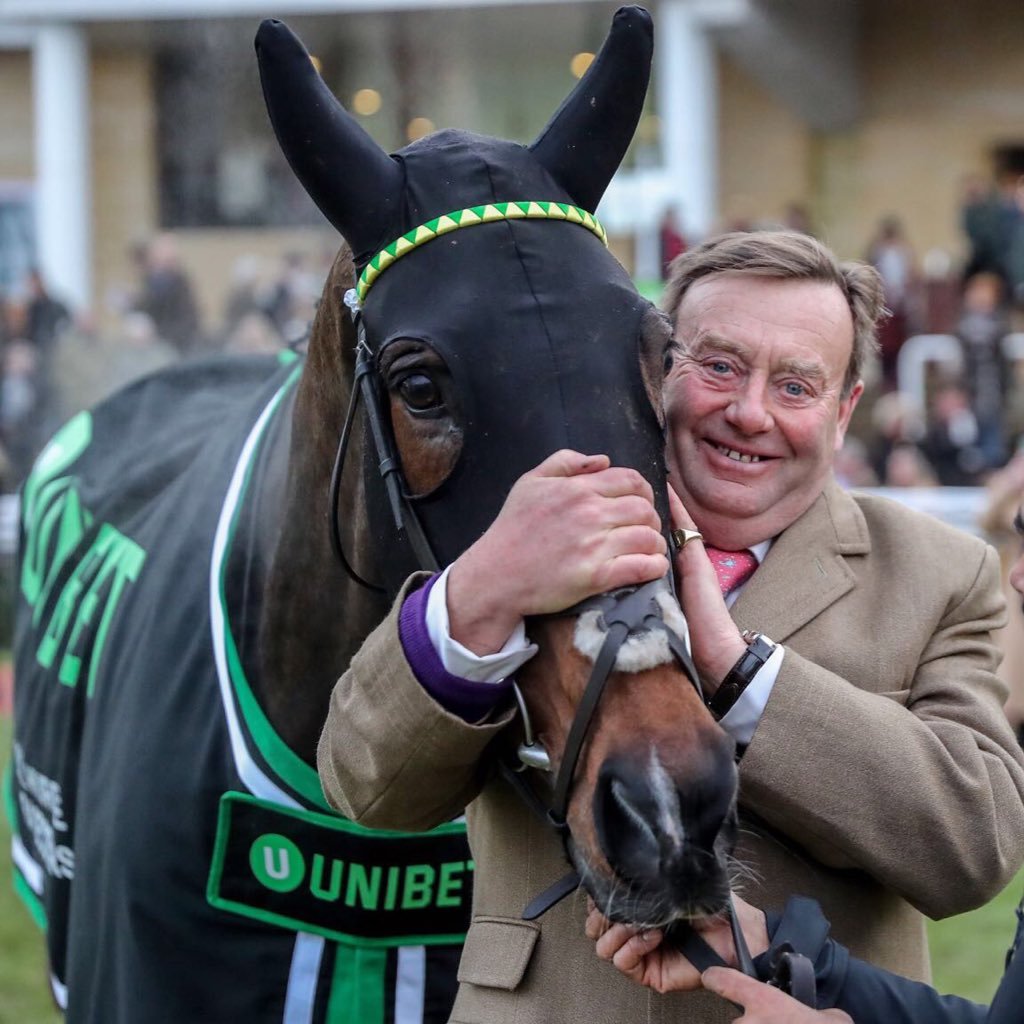
We have very sadly lost the battle to overcome Sir Gino’s ailment and he has had to be put to sleep at the veterinary hospital this morning. He has been fighting from severe deep-seated infections that he had overcome last year prior to his brilliant return in the Christmas
1
0
25
My initial reaction was the Arc, but the more I think about it, it might be the Juddmonte International

1
0
2

If there’s any small positive, I hope it’s that these moments can open up discussion and a bit more understanding about what happens behind the scenes. Thanks for following along and for the generally very positive feedback - it means a lot.
1
0
15
Really grateful for the recent influx of followers and engagement. I’m always a little conscious that a lot of the attention tends to come after injuries or difficult moments in racing. Those are the days none of us in the sport ever want to see.
6
0
69
Exhausted horses are typically still conscious and breathing, but weak, distressed, and unable to stand properly. They need rapid veterinary treatment — cooling, fluids, and monitoring — similar to treating heatstroke in human athletes. With prompt care, survival rates are good
2
0
12
One thing I didn’t clarify here is the difference between EASD and post-race exhaustion. Post-race exhaustion is different — the horse is overwhelmed by heat, dehydration, and metabolic stress, but with treatment many horses recover.
The pinnacle of jumps racing had a very sad end to it today, as the 10-time G1 winner, Envoi Allen, collapsed and died after the finish of the Gold Cup. Sudden death is a rare occurrence in our sport. I’ll try to explain what happens and why 🧵⬇️
4
2
33
The pinnacle of jumps racing had a very sad end to it today, as the 10-time G1 winner, Envoi Allen, collapsed and died after the finish of the Gold Cup. Sudden death is a rare occurrence in our sport. I’ll try to explain what happens and why 🧵⬇️
0
0
1
Racing lost a star today in what should have been his retirement party, the sport will be worse off without him. Rest in peace, Envoi Allen ❤️🤍💙
9
8
193
This thread has, purposely, been slightly more vague than some of my others as EASD is still being heavily researched due to current difficulties in our understanding. If there are any more questions, please ask and I’ll do my best to answer.
3
0
26
Everyone involved in racing – vets, trainers, jockeys, and owners – wants the same thing: healthy horses and safe competition. Understanding the causes of rare events like this is part of improving welfare and protecting the horses we care about.
1
0
24
It’s also worth remembering how rare these events are relative to the number of horses racing and training every day. But because they are so visible and upsetting, they understandably stay in people’s minds.
2
0
24
In cases where a horse sadly dies, a post-mortem examination is carried out. This helps determine the cause and contributes to ongoing research into sudden death in racehorses. Other research, including heart monitors, are also being implemented.
1
0
22
Another possible cause is rupture of a major blood vessel, such as the aorta or pulmonary artery. This leads to rapid internal bleeding and sudden collapse. These events are very difficult to predict beforehand.
1
0
13
The most common cause is believed to be sudden cardiac arrhythmia. This means the heart’s electrical rhythm becomes chaotic and it can no longer pump blood effectively. Racehorses are elite athletes. During a race their heart rate can exceed 220 beats per minute.
1
0
21
When a racehorse collapses after a race, it’s usually due to a catastrophic cardiovascular event – meaning something sudden affecting the heart or major blood vessels. These events are unpredictable and often occur in otherwise healthy, well-trained horses.
1
0
22