Resilience Challenge
@ResilienceNSC
Followers
2K
Following
1K
Media
490
Statuses
1K
Research to accelerate Aotearoa NZ's resilience to natural hazards. Resilience to Nature's Challenges is 1 of 11 ten-year @MBIEsci National Science Challenges
Joined June 2016
Webinar starting in half an hour (12pm): He Haerenga Mōrearea - A Hazardous Journey: Exploring Mātauranga Māori and Volcanic Hazards, with Prof Jon Procter of @MasseyUni. Co-hosted with @GeoscienceNZ. Register here ➡ https://t.co/8m1lsvj5gu
0
1
1
REMINDER: Webinar happening next Tuesday 12pm! He Haerenga Mōrearea - A Hazardous Journey: Exploring Mātauranga Māori and Volcanic Hazards, with Prof Jon Procter of @MasseyUni. Co-hosted with @GeoscienceNZ. Find out more and register here ➡ https://t.co/8m1lsvixqW
0
1
2
EOI OPPORTUNITY 📢 An exciting role has opened up for a suitably qualified scientist to support the wonderful team at @AlpineFault8 as their next science lead. See below for details of the EOI process ⬇

We are seeking expressions of interest for the newly vacant AF8 Science Lead position. The EOI details can be found here: https://t.co/M4LqzdxbyL
@QuakeCoRE @ResilienceNSC @OtagoGeology
0
0
1
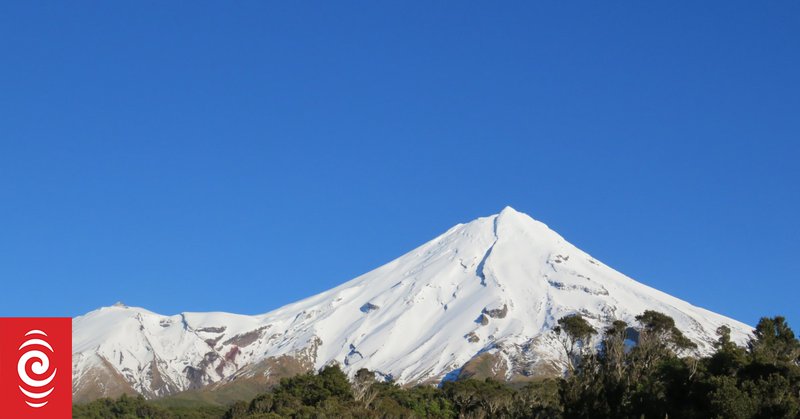
We’re proud to be working with Taranaki Volcanic Futures project investigating what a future eruption at Taranaki Mounga could look like and what the impacts will be. With a 30-50% chance of an eruption within 50 years, now is the time to plan ahead! ➡
rnz.co.nz
An emergency planning forum has been told the biggest threat to health from an eruption on Taranaki Maunga will be from disruption to infrastructure.
0
0
0
📢 Upcoming WEBINAR: He Haerenga Mōrearea - A Hazardous Journey; Exploring Mātauranga Māori and Volcanic Hazards Join us and @GeoscienceNZ with Prof Jon Procter of @MasseyUni Tuesday 12 December, 12pm - 1pm. Find out more and register here ➡ https://t.co/8m1lsvj5gu
0
4
6
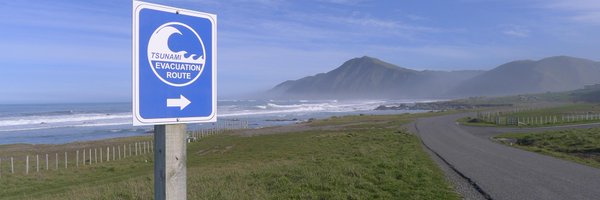
“There’s a lot of factors that influence our decision whether to evacuate from a tsunami or not,” says Dr Marion Tan of @NZJCDR, including our health and mobility, family responsibilities, trust in agencies, access to information, and even the time of day (or night).
1
3
9
Research by @NZJCDR’s Dr Lauren Vinnell & colleagues suggests being impacted by one hazard can influence people’s risk perception of another. “Exposure to a large earthquake may influence their response to a tsunami, which has implications for ‘long, strong, get gone’ messaging.”
1
2
7
“Modelling suggests it will take a big event to impact the Wellington region, but a big event will be very damaging”
0
1
1
“We need a better understanding of what’s happening beneath our feet before we can know how events are going to impact us” says Laura Hughes, PhD candidate @VicUniWgtn who is analysing earthquake-generated tsunami hazard and inundation simulations.
1
1
3
With @Tirawhakamataki we recently hosted Captain Ernesto Ojeda of the indigenous Tarahumara and Yaqui Nations, who shared his insights into whānau and community preparedness, response and recovery from disasters. Watch the webinar recording here ➡ https://t.co/N7GZCSq6DE
0
2
3
Reminder of our WEBINAR tomorrow w/ @TiraWhakamataki & Captain Ernesto Ojeda of indigenous Tarahumara & Yaqui Nations. Capt. Ojeda is often referred to as the grandfather of urban search & rescue and will speak on how whānau can prepare for disasters.
resiliencechallenge.nz
Thursday 19 October, 10.00am - 11.30am View the recording In collaboration with Te Tira Whakamātaki, Resilience to Nature's Challenges National Science Challenge is excited to present, ‘He kai kei...
0
0
0
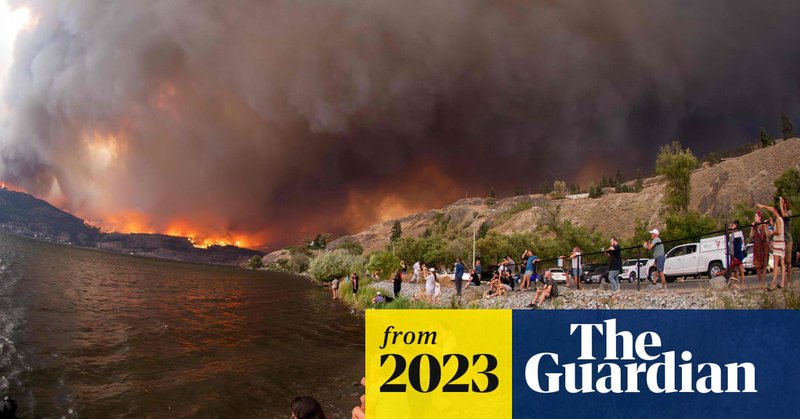
Prof Ilan Noy of @VicUniWgtn says a new methodology can better estimate how much money is needed to help poorer countries rebuild after climate-related disasters. "The headline number is $140bn a year." Find out more ➡
theguardian.com
Analysis shows at least $2.8tn in damage from 2000 to 2019 through worsened storms, floods and heatwaves
0
0
2
Along with @TiraWhakamataki we are privileged to host Captain Ernesto Ojeda of the indigenous Tarahumara & Yaqui Nations. With over 50 years experience in disaster preparedness and response, Captain Ojeda is often referred to as the grandfather of urban search and rescue.
0
0
1
📢 WEBINAR next week: He kai kei aku ringa - Disaster Preparedness How can communities determine for themselves how best to prepare for, respond to and recover from disasters? 🕥 Thursday 19 October, 10am - 11:30am. Find out more and register here ➡
resiliencechallenge.nz
Thursday 19 October, 10.00am - 11.30am View the recording In collaboration with Te Tira Whakamātaki, Resilience to Nature's Challenges National Science Challenge is excited to present, ‘He kai kei...
1
1
5
By comparing software models to the 2019 Pigeon Valley Fire, @scion_research have shown that fire simulations are a valuable tool for predicting wildfire behaviour, that could help safeguard lives and property from future fires. Find out more ➡
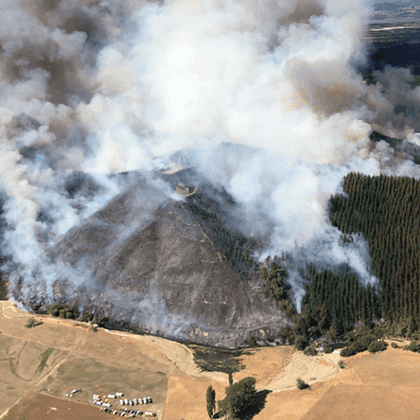
resiliencechallenge.nz
The ability to predict and prevent wildfires is important in safeguarding lives and property. In New Zealand, fire authorities use many tools to predict fire behaviour, one of these being the fire...
0
5
5
PhD researchers @VicUniWgtn and @UCNZ are showing the value of serious games in providing decision-makers with a "safe to fail" space to explore perspectives and test-run different natural hazard and climate change adaptation options. Find out more ➡
resiliencechallenge.nz
Serious games offer a playful yet powerful way for scientists, engineers, policy makers, and community members to find the best solutions to complex problems. By allowing people to explore options...
0
3
7
How can 'synthetic' earthquakes help develop better models of earthquake hazards and improve our understanding of what Aotearoa's next big quake might look like? Find out in our video with Dr Bill Fry of @gnsscience and Laura Hughes of @VicUniWgtn ⬇ https://t.co/9EQ7ymFV7N
0
2
7
Missed our webinar 'Toitū te Whenua' - how mātauranga Māori and modern approaches to adaptation and resilience can protect the cultural identity and wellbeing of Māori in Aotearoa New Zealand? Kei te pai! Watch the recording here ⬇ https://t.co/tSYZ1WhS0D
0
1
11
📢 Webinar tomorrow, 10:30am: Toitū te Whenua - How mātauranga Māori and modern approaches to adaptation and marae resilience can protect Māori cultural identity and wellbeing from the impacts of natural hazards and climate change. Find out more ➡ https://t.co/Ma5kBY7e73
0
1
5
Felipe Kuncar of @UCNZ is working to improve local ground motion predictions by analysing how local site effects influence ground motions generated by earthquakes. Find out more ➡
resiliencechallenge.nz
Born in Valdivia, Chile, the city that gives its name to the most powerful earthquake ever recorded, Felipe grew up on the beautiful island of Chiloé. He now finds himself "on another beautiful...
0
0
1