World Animal Protection
@MoveTheWorld
Followers
137K
Following
11K
Media
2K
Statuses
8K
International News. Global Community. Celebrating 75 years of protecting animals worldwide. 🌏 #ChangeLivesForever
Worldwide
Joined May 2008
75 years of protecting animals and moving the world to change lives. From shaping welfare laws to inspiring communities, progress has always come from standing together. As we celebrate this milestone, we’re looking ahead with hope and determination to create a future where
7
15
38
2025 saw our supporters turn powerful ideas into real progress for animals worldwide. Your actions challenged harmful industries, inspired communities, and strengthened our call for better lives for every animal. Because of you, more people and decision makers are recognising
2
3
6
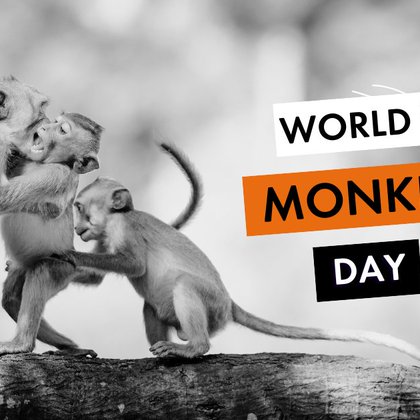
Learn more about World Monkey Day here ▼
worldanimalprotection.org
Celebrate World Monkey Day on December 14th and find out everything you need to know about monkeys, the threats they face, and what you can do to help.
0
1
3
Today is World Monkey Day, a day where we celebrate all monkeys and their unique qualities. Many monkeys are highly social and sentient beings whose lives are devastated when they are kept as pets or forced to perform for entertainment. This is a day to honour their right to
2
4
8
At CITES CoP20, all Galápagos iguanas were moved to Appendix I, giving them the highest level of international protection and effectively ending commercial trade. These unique animals have been increasingly targeted for the exotic pet market, often taken from the wild and passed
1
1
10
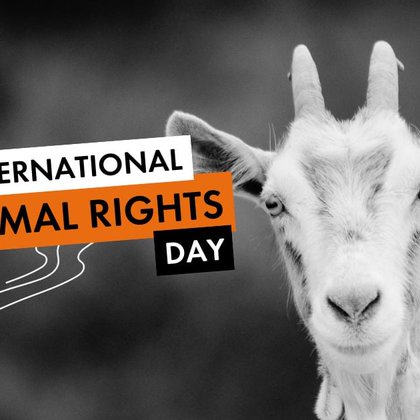
Read more about the day here ▼
worldanimalprotection.org
Learn about International Animal Rights Day and why it matters. Find out how to get involved in protecting animals.
0
2
7
On International Animal Rights Day we honour the lives and inherent worth of animals. Join us in pushing for stronger laws and protections that recognise their sentience.
2
7
19
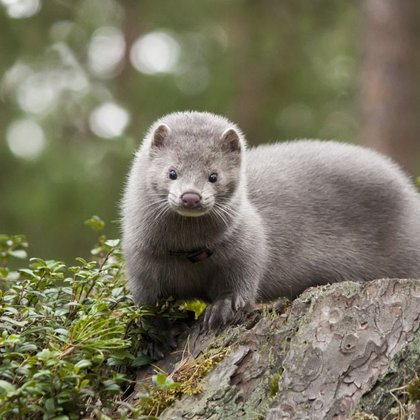
Read more about these animal wins here ▼
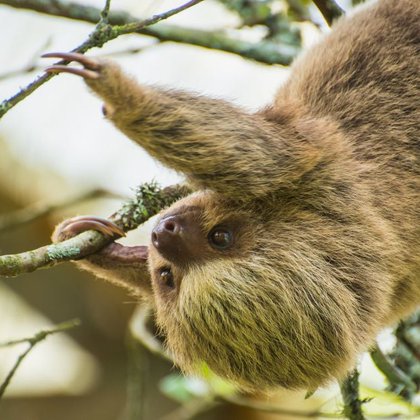
worldanimalprotection.org
CITES CoP20 delivers stronger protections for two toed sloths and Galapagos iguanas. These decisions offer new hope for wildlife threatened by trade.
0
1
4
Positive progress for wildlife this week. At CITES CoP20, governments agreed stronger protections for two toed sloths and raised all Galápagos iguanas to the highest protection level. These decisions are an important step forward for wildlife threatened by habitat loss,
1
4
7
Read more from the latest report, which you can find here ▼

worldanimalprotection.org
Join World Animal Protection in disrupting governments and industries exploiting wild animals, help us introduce more laws and policies to protect wildlife
0
2
3
Millions of wild animals are kept in cramped, unnatural conditions, unable to express their natural behaviours and often transported under extreme stress. Birds, reptiles, mammals, fish, and many more, are bred to be pets, traditional medicine, food, or fashion. Most will never
1
4
9
Learn more about clever habits, and why they need our protection ▼

worldanimalprotection.org
Discover interesting moon bear facts. Learn about the moon bear’s diet and habitat, the threats they face, and how they got their distinctive name.
0
5
4
Have you ever wondered what makes moon bears so unique? From their striking crescent markings to their tree-climbing skills, these bears are endlessly intriguing 🐻
2
7
12
And learn more about International Jaguar Day here ▼
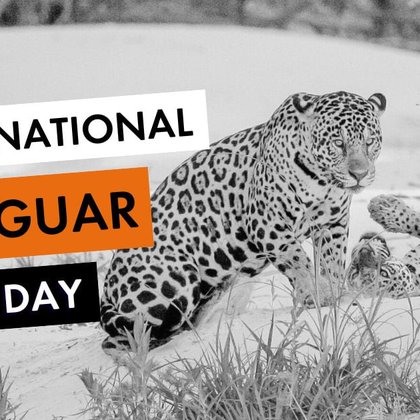
worldanimalprotection.org
Join us for International Jaguar Day on November 29th, find out our top jaguar facts, what threats they face, and how you can help protect them.
0
0
1
Watch the documentary, Jaguar Spirit, and learn more jaguars today ▼
1
2
2
International Jaguar Day reminds us that this iconic big cat is vital for healthy forests. Yet deforestation and the illegal wildlife trade are stripping away their future. Protecting jaguars means protecting entire ecosystems.
2
9
13
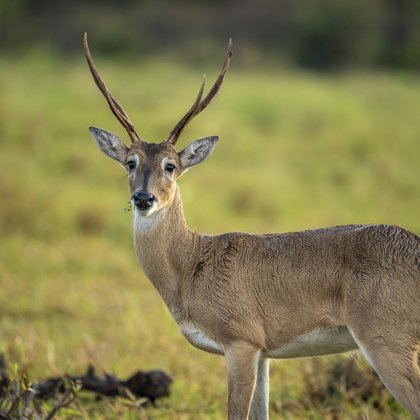
COP30 has ended in Belém, yet industrial agriculture avoided accountability. Big Ag lobbyists dominated the summit while leaders failed to tackle deforestation, emissions, and animal suffering, leaving the Amazon and farmed animals at risk. Despite recognition of small-scale
1
0
5