Mayo Clinic Center for Individualized Medicine
@MayoClinicCIM
Followers
6K
Following
371
Media
6K
Statuses
19K
The Center for Individualized Medicine integrates the latest in genomic science, precision medicine into clinical practice at @MayoClinic. RTs ≠ endorsements.
Rochester, Minnesota, USA
Joined September 2012
One small DNA error. One massive insight. Mayo Clinic researchers have found a rare MET gene mutation that directly causes fatty liver disease.
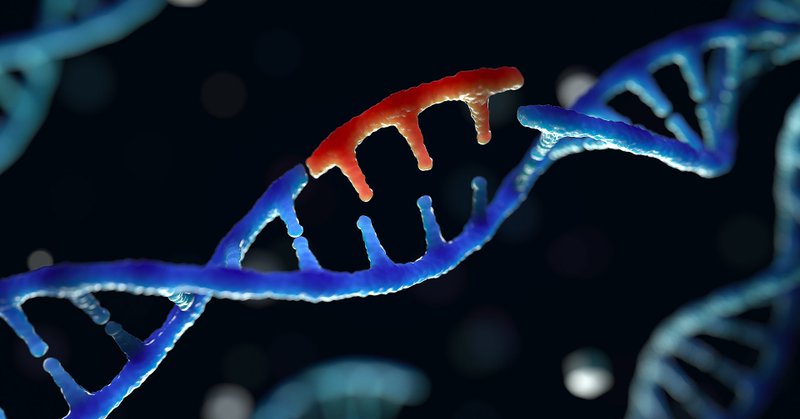
newsnetwork.mayoclinic.org
Video: A healthy liver transitions to cirrhosis, illustrating a potential outcome of metabolic dysfunction-associated steatotic liver disease — formerly known as nonalcoholic fatty liver disease —...
0
1
0
As brain tumors grow, they shed bits of DNA into the blood. Mayo Clinic scientists built a test to track that DNA—tailored to each patient's tumor.
newsnetwork.mayoclinic.org
Researchers have identified a potential new way to monitor the progression of high-grade gliomas, an aggressive type of brain cancer.
0
1
1
She broke her first bone before she could walk. 125 fractures. 41 surgeries. 6 metal rods. Now she’s helping pioneer gene therapy for brittle bone disease. Meet Dr. Ethel Aguirre Flores.
newsnetwork.mayoclinic.org
Dr. Ethel Aguirre Flores broke her first bone before she learned to walk. Since then, she has endured more than 125 other fractures.
0
0
0
RT @MayoClinic: Born with osteogenesis imperfecta, a rare genetic disorder also known as brittle bone disease, Dr. Ethel Aguirre Flores has….
0
7
0
On #DNADay, we highlight a Mayo Clinic discovery that links a single inherited mutation to one of the world’s most common diseases — metabolic dysfunction-associated steatotic liver disease. Learn more.

0
0
1
Happy #DNADay! At Mayo Clinic, we're looking beyond the usual suspects in the genome. A recent discovery showed how a single noncoding variant — previously undetectable — played a key role in disease. Read the story:

1
1
3
A new Mayo Clinic study reveals distinct brain cell changes in Tourette syndrome, including a 50% reduction in interneurons, stress in motor neurons and inflammation in immune cells. Findings may help explain the underlying biology of involuntary tics.
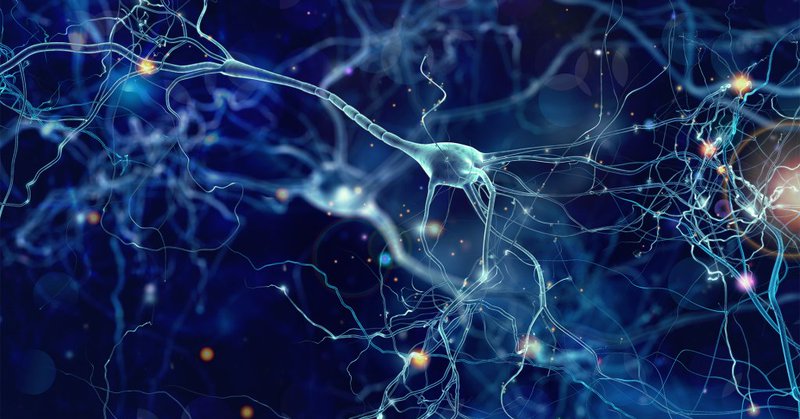
newsnetwork.mayoclinic.org
A new Mayo Clinic study finds that people with Tourette syndrome have about half as many of a specific type of brain cell that helps calm overactive movement signals as people without the condition.
0
0
1
Mayo Clinic researchers have developed a personalized blood test that tracks aggressive brain tumors using each tumor’s unique DNA. It could offer earlier insights into glioma progression.

0
1
2
Mayo Clinic researchers have identified a rare inherited mutation that can directly cause one of the world’s most common diseases: nonalcoholic fatty liver disease. This is the first known single-gene cause. Read more.
1
1
2
Mayo Clinic is transforming patient care by developing digital tools that help clinicians turn complex biological data into faster, more precise diagnoses and treatments.
0
0
1
RT @MayoClinic: When Vicki Tennant came to Mayo Clinic for answers about her heart condition, she never expected to be at the center of a m….
0
5
0
When standard tests couldn’t explain a patient’s heart condition, Mayo Clinic’s team looked deeper— way deeper. They uncovered a subtle change in non-coding DNA that helped explain the disease.

newsnetwork.mayoclinic.org
When Vicki Tennant came to Mayo Clinic for answers about her heart condition, she never expected to be at the center of a medical breakthrough. But her case led Mayo Clinic researchers to identify a...
1
1
1
A Mayo Clinic patient’s search for answers led to a groundbreaking discovery. Researchers found a hidden genetic cause of disease — outside the usual coding regions. Read more.
newsnetwork.mayoclinic.org
When Vicki Tennant came to Mayo Clinic for answers about her heart condition, she never expected to be at the center of a medical breakthrough. But her case led Mayo Clinic researchers to identify a...
0
0
1
A Mayo Clinic patient’s search for answers led to a groundbreaking discovery. Researchers found a hidden genetic cause of disease — outside the usual coding regions. Read more.
newsnetwork.mayoclinic.org
When Vicki Tennant came to Mayo Clinic for answers about her heart condition, she never expected to be at the center of a medical breakthrough. But her case led Mayo Clinic researchers to identify a...
0
0
2
Patterns in the vaginal microbiome could help identify women at risk for post-surgical urinary tract infections. Read more.

newsnetwork.mayoclinic.org
Mayo Clinic researchers have found a way to potentially predict who will develop urinary tract infections before surgery for pelvic organ prolapse even begins.
0
0
1
A new Mayo Clinic study shows that blood protein signatures can reveal whether a person’s giant cell arteritis is active or in remission — with over 95% accuracy. This could pave the way to a more targeted treatment.
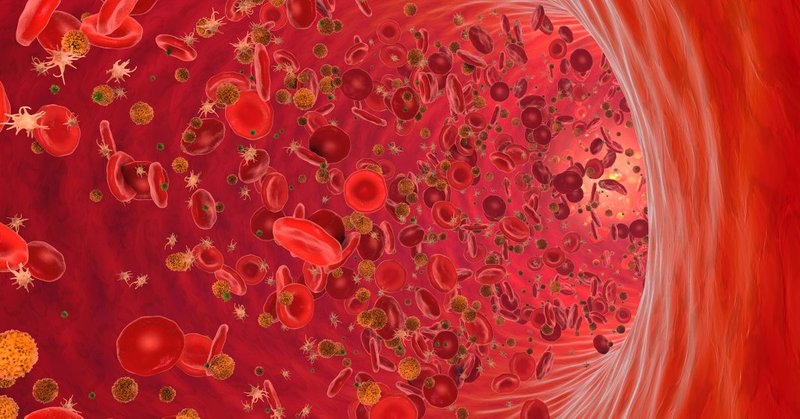
newsnetwork.mayoclinic.org
Mayo Clinic researchers have identified key protein patterns in the blood that could improve how doctors diagnose and monitor giant cell arteritis, a chronic autoimmune disease that causes inflamma...
0
0
1
Antibody-drug conjugates are cancer therapies designed to deliver drugs directly into cancer cells. But often, the drug can’t get inside. Mayo Clinic researchers have developed a new strategy to help the treatment enter the cell.
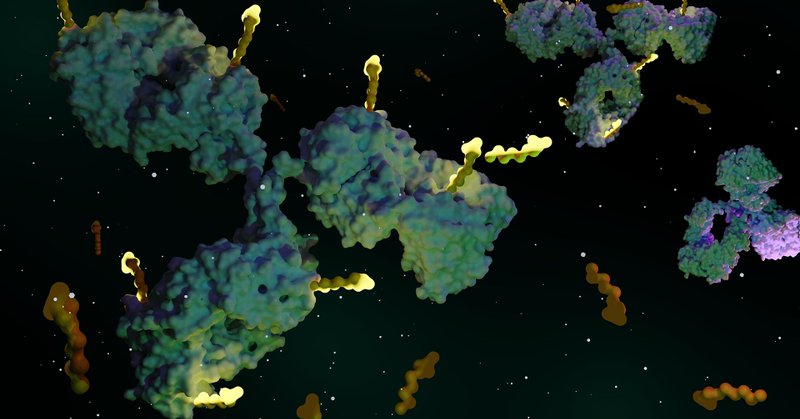
newsnetwork.mayoclinic.org
Mayo Clinic researchers have developed a pioneering strategy to improve targeted cancer therapies.
0
0
1
Patterns in the vaginal microbiome could help identify women at risk for post-surgical urinary tract infections. Read more.
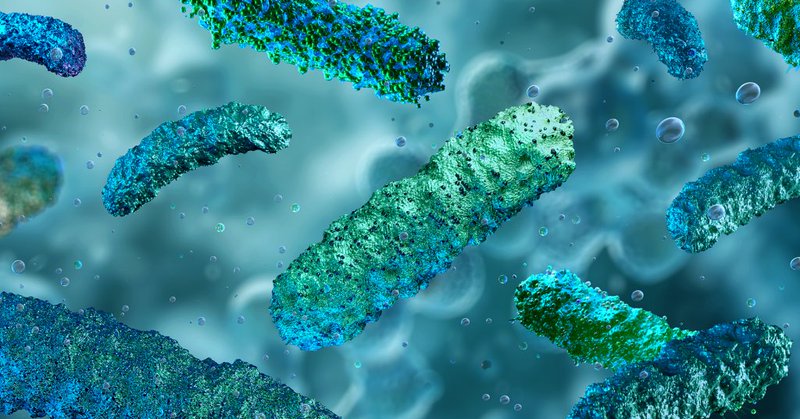
newsnetwork.mayoclinic.org
Mayo Clinic researchers have found a way to potentially predict who will develop urinary tract infections before surgery for pelvic organ prolapse even begins.
0
0
1
A new Mayo Clinic study shows that blood protein signatures can reveal whether a person’s giant cell arteritis is active or in remission — with over 95% accuracy. This could pave the way to a more targeted treatment.
newsnetwork.mayoclinic.org
Mayo Clinic researchers have identified key protein patterns in the blood that could improve how doctors diagnose and monitor giant cell arteritis, a chronic autoimmune disease that causes inflamma...
0
1
2
Patterns in the vaginal microbiome could help identify women at risk for post-surgical urinary tract infections. Read more.
newsnetwork.mayoclinic.org
Mayo Clinic researchers have found a way to potentially predict who will develop urinary tract infections before surgery for pelvic organ prolapse even begins.
0
0
1