

Logan Neitzke-Spruill
@LogStudiesDrugs
Followers
95
Following
149
Media
5
Statuses
91
PhD candidate in sociology | psychedelics & other drugs | knowledge, science, & medicine | culture, cognition, & the brain
Joined July 2022
My second sole-authored article came out in the Journal of Humanistic Psychology today! Let's stop suggesting we use psychedelics to reform people who are incarcerated. K? Thanks. DM for the preprint version if you don't have access. https://t.co/DFPULjFEq5
journals.sagepub.com
Recent investigations of naturalistic psychedelic use purport that psychedelic therapies may be useful in criminal justice contexts for reducing recidivism. The...
2
2
6
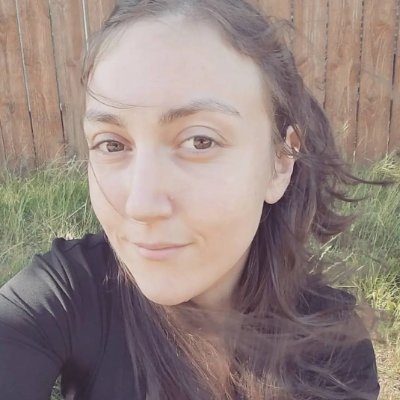
🧵 I'm excited to share that after years of research, our qualitative paper on patient experiences & the therapeutic framework behind JHU's original psilocybin for smoking cessation pilot study is published in the Kennedy Institute of Ethics Journal. /1
17
46
173
Top .01% but still can't (afford to) score a vinyl of The Ineffable Truth. @gjonesbass got a secret stash to share or a repressing coming soon???
0
0
0
You can tell I'm dissertating because it's all edm/electronic
0
0
2
I'll leave it at that because this is getting long, but check out the paper if you're interested. I hope it will lead people to pause and consider whether the existing "evidence" is really enough to warrant the risks of aligning psychedelics with the CJ system.
0
0
0
There are significant ethical issues with medicalizing crime by attempting to treat it within a "psychedelic medicine" framework or considering administering psychedelics to people under state supervision in collaboration with the carceral system.
1
0
1
Ultimately, psychedelic therapy does not address key barriers to successful reentry raising questions about whether/why this is a worthy line of inquiry. Not to speak of the ethical issues.
1
0
1
And existing research on the subject does not provide very convincing evidence psychedelics would be all that effective as a crime-reducing measure. I think the idea persists because of an individualistic understanding of crime, the disconnect from crim lit, and psychedelic hype
1
0
1
There's so much focus on how psychedelics can lead to dramatic shifts in one's outlook and behavior that the lit so far hasn't adequately considered the difficulties people face when reentering their communities or what leads to crime in the first place
1
0
1
However, despite their meaningful experiences, participants were unable to realize their insights on the "outside" in the absence of social support. This is where the whole premise of psychedelics for "criminality" kind of falls apart...
1
0
0
I bring in interactionist desistance theory to analyze psychedelic experience reports written by participants in the Concord Prison Experiment. I show how throughout the study participants experienced cognitive shifts that could theoretically lead people to desist.
1
0
1
But in all seriousness, I tried to make a small contribution to an area that has engaged very little with relevant crim theory. Its gone thru a few iterations and I am pretty happy with how it turned out. The critical points are highlighted much more in the final version.
1
0
0
Suggesting that "because a researcher has had a psychedelic experience, their work will be tainted" is just puritanical. It also implies that psychedelics uniquely corrupt our rational and even ethical faculties, due to unspecified "neurobiologic" reasons.
1
0
4
Financial incentives seem much more likely to distort/bias research findings than whether a researcher has had a positive experience with a psychedelic.
1
0
3
The relevance of personal use is a perennial question in psychedelic research. As it relates to bias, I am not sure why we should be more concerned about researchers' personal experiences with psychedelics than their funding sources or other financial commitments.

Kious et al. discuss the potential biases introduced by personal psychedelic use among researchers, and raise a call for efforts to study that personal use https://t.co/2pTXiDq1Xb
1
2
4

I am speaking at International Conference on Stigma 2022. Please check out my talk if you're attending the event! My talk will focus on the impacts of stigma and peer support for individuals bereaved by a drug-overdose death.
0
1
7
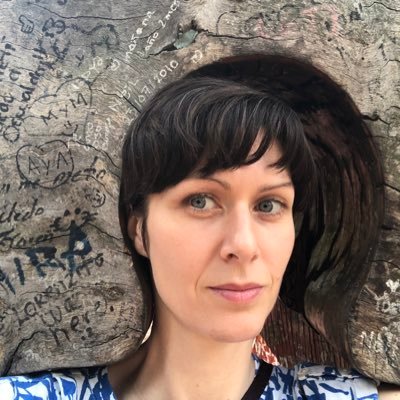
Finally public! My story of how I was sexually harassed, marginalized, silenced, excluded, and gaslighted at/by the @HarvardSTS Program. Join the #MeTooSTS and #WeDoSTS movement to fight together against abuses of power in STS/academia! 🤬😱😲😭😳🤮🤢✊ https://t.co/dGLgfyQKbs
92
411
2K
Really looking forward to presenting on this topic and the discussion to follow! Lots of implications for how we design studies, recruit participants, interpret clinical trial results, and avoid recreating disparities in mental healthcare as PAP is adopted beyond the lab.

📣This Thursday: IPN LABS SEMINAR!🍄 Join IPN Labs for a talk with PhD candidate Logan Neitzke-Spruill to discuss how RACE interacts with SET and SETTING to influence the framing and interpretation of psychedelic experiences! 🌌 ⭐ ZOOM Link in our membership discord channel ⭐
1
0
4
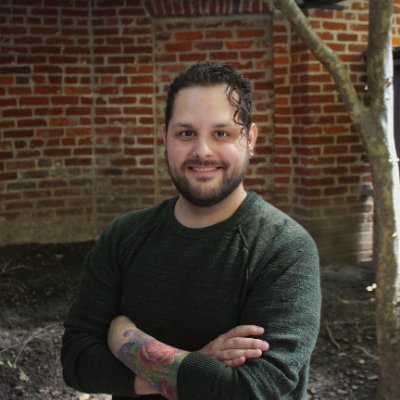
So stoked for @LogStudiesDrugs presentation this week 🔥 This is part of our month-long series exploring the framework of set & setting in #psychedelicstudies. The talk is open to students who are IPN members, so send @ipnpsychedelics a message to join if you haven't already!
📣This Thursday: IPN LABS SEMINAR!🍄 Join IPN Labs for a talk with PhD candidate Logan Neitzke-Spruill to discuss how RACE interacts with SET and SETTING to influence the framing and interpretation of psychedelic experiences! 🌌 ⭐ ZOOM Link in our membership discord channel ⭐
1
2
4
See here for more on the harm caused by the RAVE act:

journals.sagepub.com
Sociologist Tammy L. Anderson proposes that the 2003 RAVE Act may endanger ravers more than protect them. Today’s popularity of huge commercial raves—and the in...
0
0
1