
Growth.Design
@GrowthDotDesign
Followers
15K
Following
4K
Media
215
Statuses
886
🧠 Product tips in a comic book format. (by @DanBenoni & @LouisXavierL)
🇨🇦 Montreal (+150 countries)
Joined May 2019
Jobs-to-be-done can make or break your business. That's why it's key to understand them so you can use them to drive your UX design efforts. We took a look at @letterboxd ... ...and found a few ways they could leverage JTBD: https://t.co/z6CuZFL0AQ

growth.design
Learn how Letterboxd could significantly improve their app onboarding and retention by focusing on their customers' jobs-to-be-done.
3
6
25

Psychology of Design Excellent collection of 106 design principles and cognitive biases that affect product design. Each principle comes with relevant examples and practical tips. https://t.co/B1iFUBbgDy
6
157
805
🍿 Might be a good time to review your checkout flow (just before the holidays!) https://t.co/QH4eAEs1QJ

growth.design
Learn how GoDaddy uses unethical tactics to upsell people and how you can improve your checkout user experience without relying on these.
6
6
34
UX pro tip: the container shapes the content. It’s called the Framing Effect. Here are: • 5 examples of framing that improve user experience • 1 simple way to use framing to rally stakeholders • 6 rules to follow to apply it ethically (checklist) https://t.co/XVq0sKOArB
growth.design
Learn what the Framing Effect is and how to apply it to improve user experience without relying on unethical dark patterns.
4
5
42
Good UX/UI isn't random. It's rooted in psychology. Here's a great example: https://t.co/HF6jiAzmnE
growth.design
Learn what mistakes to avoid when creating landing pages and how to design highly effective ones using psychology.
0
5
28
100 million people installed Threads (by Meta). By doing so, they accepted scary privacy conditions. And Apple is partly to blame. Yet they could be part of the solution if they wanted to. Here’s a story that explains how: 👉

growth.design
Learn how Apple and Meta use psychology and UX to collect your data while creating an illusion of privacy.
0
7
16
It's easy to get lost in an argument about something really specific on a screen, but it's the combination of all screens that matter most. Start asking the questions: - What comes before that? - What comes after that? And you'll create better products: https://t.co/NKipDS7Vwj

growth.design
Learn how Beehiiv can fix its newsletter subscription UX with 6 psychology principles and 1 tactic that can drastically improve any customer’s journey.
1
4
19
Are you ready to flex your product psychology muscles? Here’s a quick quiz for you (2min): https://t.co/uBfeCdHzWo
growth.design
Sharpen your product skills and find the 4 psychology principles used in Shortform's offboarding.
0
3
10
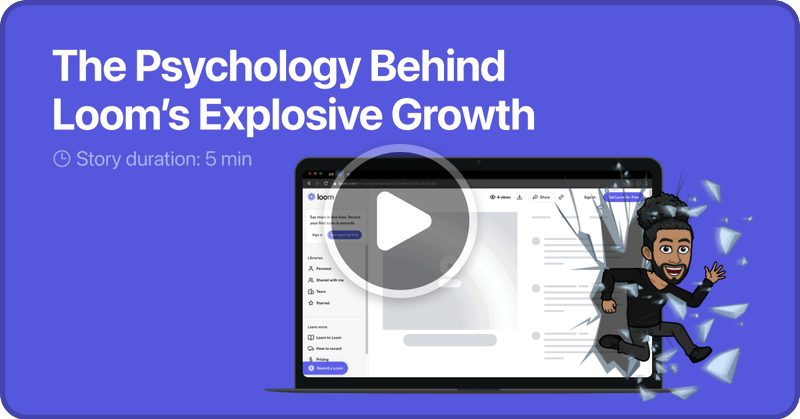
Loom is one of those products that’s easy to underestimate. But they went from 0$ to unicorn real quick and… …there’s a psychological reason for this. We explain it in our latest case study. Check it out: https://t.co/q61dRMfkEB
growth.design
Learn the 7 psychology principles that helped Loom to grow from zero to tech unicorn in record time.
4
7
28
🍿 New case study: The new Bing (episode 1) A good reminder why product psychology & UX principles are still key for all upcoming AI-driven products. Check it out: https://t.co/kMwzRTOeNJ

growth.design
This onboarding case study shows how Bing's new AI chat experience could be improved. You'll also learn key adoption strategies that can increase engagement.
0
7
26
If you like these bite-sized Product Psychology tips, make sure to follow us and to subscribe here: https://t.co/qH6AeMvQ1N
growth.design
Level up your product skills with bite-sized tips. Learn the growth & design strategies used by the top product companies in the world.
2
3
9
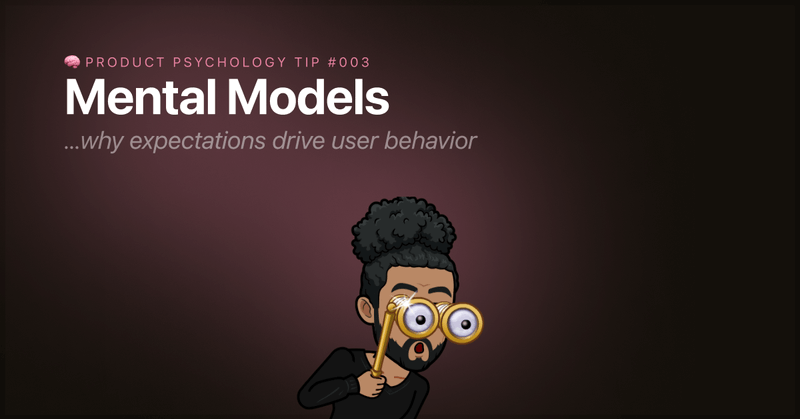
Learn more and get the cheat sheet with examples from Tesla, Figjam, Trello in our latest case study: https://t.co/tN71113leP
growth.design
This case study shows you how to use Mental Models to improve your product's user experience.
2
3
9
2. Apple. They used skeuomorphism during iOS early days:
1
1
3
1. Amazon. They stick with the familiar shopping cart model:
1
1
2
Bad products force their users to adapt. Great products adapt to their users' mental models. Here are 3 examples:
7
17
82

And, if you wish to learn how to apply the right psychology principle to the right context to create products customers love... We just opened our course: https://t.co/8AjU7k4jxg

growth.design
Learn to use psychology to build products customers love. This self-paced course shows you how to find user experience gaps and make better product decisions.
1
4
9