
Densho
@DenshoProject
Followers
6K
Following
2K
Media
2K
Statuses
6K
Preserves and shares history of the WWII incarceration of Japanese Americans to promote equity and justice today.
Seattle, WA
Joined May 2009
This is a crucial moment to safeguard our collective memory, especially as efforts to erase our histories grow stronger. Become a monthly donor and ensure these stories—and the lessons they carry—remain visible, powerful, and protected. https://t.co/6Xehy92gFz
1
4
14
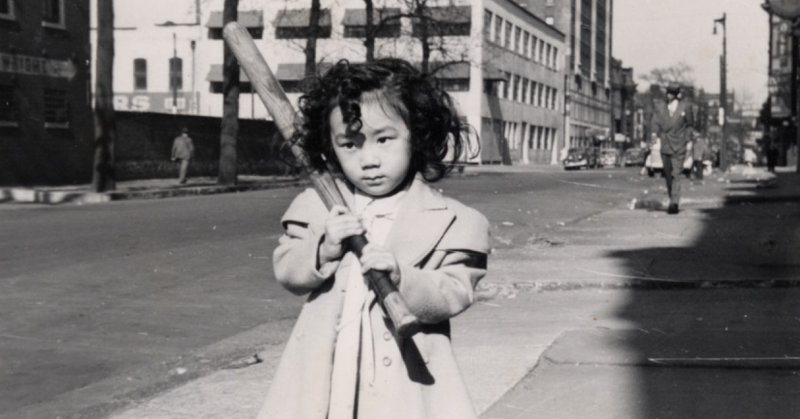
Endo's courage and conviction deserve recognition not just on this anniversary, but across generations committed to justice, accountability, and the rule of law. Read more at https://t.co/VK8J52BQHZ.
densho.org
0
0
1
“During her life, [Mitsuye Endo] was an unsung hero in the story of the Japanese American incarceration, not receiving recognition for her courage in challenging her World War II incarceration.” – Lorraine Bannai
1
0
1
Endo’s story remains a vital touchstone for understanding civil liberties, wartime authority, and the ongoing struggle to defend constitutional rights in times of crisis.
1
0
1
Bannai traces the legal and political forces surrounding the case, revealing how Mitsuye Endo and her legal team challenged the government’s unchecked power to detain citizens based solely on race and ancestry.
1
0
1
In honor of this anniversary, legal scholar and Professor Emerita Lorraine Bannai examines the case and the woman whose resolve made it possible.
1
0
1
Today marks the anniversary of Ex Parte Endo, the Supreme Court decision that helped end the mass incarceration of JAs during WWII. Decided on Dec. 18, 1944, it ruled the government couldn't detain loyal citizens without justification, prompting the closure of the camps.
1
0
2
Make a gift today at

densho.org
Preserving Japanese American stories of the past for the generations of tomorrow.
0
0
1
Together, we can ensure that the stories of our past continue to inspire and live on in the minds of our future leaders and changemakers. Thank you for being a part of this community, and for believing in the power of collective memory, storytelling, and action.
1
0
1
Your contribution to Densho sustains our ongoing efforts to preserve invaluable historical materials and stories, to educate the public, and to unite our community through shared hopes, goals, and values.
1
0
1
This work is only possible thanks to the generosity of supporters like you. Make Densho a part of your personal legacy with a year-end gift.
1
0
1
With rising threats to democracy, civil rights, and public history, Densho’s work is about more than preserving the past for future generations—it’s about fostering resilience, strengthening unity, and building relationships in pursuit of a more just future for all.
1
0
1
As 2025 draws to a close, we reflect on the ways that we grew, mobilized, and stepped up to meet the unprecedented challenges of 2025. We welcomed new team members, expanded our programs, and deepened our commitment to stewarding Japanese American incarceration history.
1
0
2
Join now, and we’ll send you a gift: a custom sticker set designed by artist Kiku Hughes, featuring all ten War Relocation Authority camps where Japanese Americans were incarcerated. December is your last chance to receive this year’s History Keepers Society thank-you gift!
0
0
1
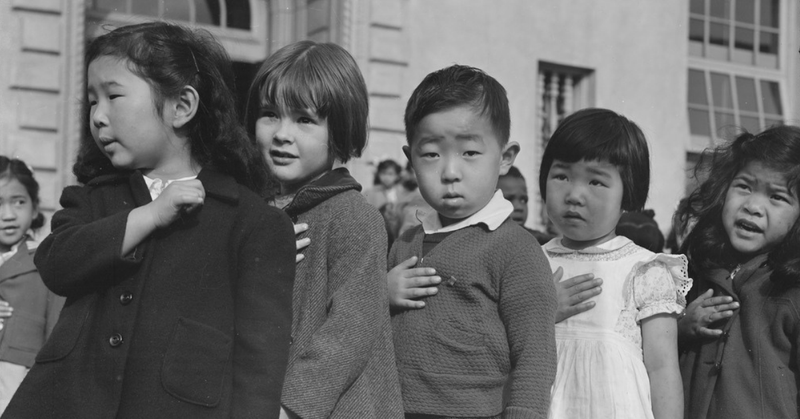
Preserving lesser-known stories, like Elsa’s, matters—and your support is essential. By becoming a monthly donor and joining our History Keepers Society, you’re not just giving. You’re investing in a more stable and sustainable future for Densho.
densho.org
Densho’s public online platform and digital materials are needed now more than ever. If you value the work we do here at Densho, please consider making a tax-deductible financial contribution.
1
0
2
Later in this interview, Elsa recalls how her father was arrested by the FBI and removed from the family during WWII. Elsa, her mother, and siblings were also forcefully removed, deported from Peru, and taken by ship to the Crystal City internment camp to reunite with her father.
1
0
1
While her mother managed the front of the store, her father took charge of childcare and education, teaching the children to read, write, and even master multiplication before they turned five. Their shared responsibilities and mutual respect shaped Elsa’s early life in Peru.
1
0
1
Although her father was the “brains” behind their family’s dry goods store, he trained her mother to be the “welcomer” and store attendant due to her naturally warm presence and stronger Spanish language pronunciation, which, in turn, helped the shop flourish.
1
0
1
For the first seven years of her life growing up in Peru, Elsa Kudo recalls it being “complete bliss,” knowing “nothing of suffering or hardship.” In this clip, she reflects on her parents’ (at-the-time) unusually progressive partnership—both in business and at home.
1
0
4
Today, on the 84th anniversary of the Pearl Harbor attack, we are sharing Rae’s testimony to reflect on how this moment reshaped the lives of Japanese American communities.
0
1
2
Rae’s memory captures the beginning of a shift experienced by many Japanese Americans in the immediate aftermath of Pearl Harbor—an atmosphere of fear and suspicion that would soon have profound consequences for families across the country.
1
1
1