
DementiaSupportAustralia
@DemSupportAu
Followers
421
Following
238
Media
134
Statuses
252
Dementia is experienced differently by each person and our work seeks to recognise and respond individually to these changes.
Joined April 2020
The importance of proactive behaviour support in our @DemSupportAu program at play here. Early interventions, support for carers and building new resources in partnership #makeadifference #rarerdementias

We are so pleased to see @DemSupportAu and @theAFTDA have come together to create a new series of FTD Carer Support groups across Australia. Support groups will include two facilitators: a DSA dementia consultant and an external health professional. https://t.co/9yI1HBn664
0
0
0
We are experiencing some delays due to the national Optus network outage. If you are having issues connecting with us via the helpline, please try other referral methods such as Live Chat or online via our website https://t.co/0oVoXjIe7Z. Thank you for your understanding.
0
0
1
When a person with dementia doesn’t recognise their surroundings or the people around them, they may want to leave. Watch our new video with Geriatrician Professor Sue Kurrle to learn more about wanting to leave or go home. https://t.co/JwZKqK1CUf
0
0
0
The person you care for may be restless at night or wake very early, They may not be able to tell the difference between night and day. There are many reasons why a person’s sleep might change, Watch Geriatrician Professor Sue Kurrle to learn more https://t.co/lSxZA2sXsb
0
0
1
Many things can lead to changes in personal care routine. The person you care for might be in pain, feel cold or confused, or no longer recognise objects. Watch Geriatrician Professor Sue Kurrle's tips on how to reduce distress during personal care. https://t.co/mGLzV9eazn
0
0
0
Seeing or hearing things that are not there can be confusing and frightening for the person you care for and you. Learn more about hallucinations from Geriatrician, Professor Sue Kurrle. https://t.co/iX8VzULEZl
0
0
0
It can be confusing and confronting when the person you care for says or does things that are out of character or rude. Watch Geriatrician Professor Sue Kurrle explain why this may occur due to changes in the brain, triggers in the environment, or illness.
0
0
0
Watching someone you care for lose interest in the world around them can be disheartening. Watch Geriatrician, Professor Sue Kurrle, explain how apathy can affect a person with dementia: https://t.co/tUvIrvPEdv Learn more about behaviour changes visit:
dementia.com.au
Understanding why behaviours change in a person with dementia is the first step to responding well. Learn common behaviour changes and how to uncover the causes.
0
0
1
Did you hear about the new Alzheimer’s drug being hailed as a ‘turning point’. Our Head of Clinical Services, @StephenMacfarl4, digs into what donanemab could mean for those with the condition in this article. #domanemab #alzheimers @ConversationEDU

theconversation.com
The drug has been hailed as a ‘turning point’ in Alzheimer’s treatment. But keep in mind the trial only included participants with early or mild disease. And while it slowed decline, it’s not a cure.
0
2
5
When someone doesn’t feel familiar in their surroundings, they can often feel scared, confused, or sad. Geriatrician, Professor Sue Kurrle, explains why a person living with dementia may become anxious here: https://t.co/apVDYoJPmX Learn more:
0
0
0
Watch Geriatrician, Professor Sue Kurrle, explain why a person living with dementia may become agitated here:
1
0
1
Watch the Staying at Home story reported on Channel 9 News recently: https://t.co/jyCI9IBNBw To learn more about Staying at Home or to register your interest, please visit https://t.co/u8CoyF2I7w call 1800 699 799.
0
0
0
We’re grateful for the ABC News Breakfast team for their coverage of our national campaign, which has been launched to let Australian families know we’re here to help. Watch the interview with the Head of Dementia Support Australia, Marie Alford. https://t.co/jsyNXfWb8a
0
0
1
If you’re caring for someone living with dementia, it can be hard seeing changes in their day-to-day behaviour. We’re here to help, day or night, anywhere across Australia. Check out our newly launched awareness campaign https://t.co/n2KNZ6JSTs
0
0
0
Dementia can affect us all. It’s the reality we’ve confronted in our new awareness campaign showcased on @ACurrentAffair9. If you care for someone living with dementia experiencing behaviour changes, reach out for 24/7 free dementia support on 1800 699 799
0
1
2

@HammondCare will have 6 SDPC units by December 2023, purpose built to reflect the 10 Dementia Enabling Environment Principles and providing specialised care through nurses, allied health, geriatricians and others. #ADRF2023
0
3
9

Today we launch National Reconciliation Week 2023. Be a Voice for Generations means carrying on the work of those who came before us and using our power, our words, and our actions to create a better, more just Australia for generations to come. https://t.co/FKsEvvjTJd
#NRW2023
0
51
98

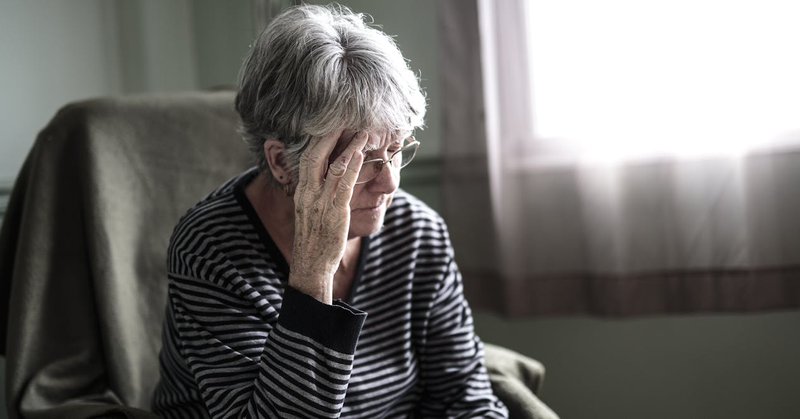
The alleged tasering of a 95-year-old woman with dementia at a NSW aged care home brings attention to the issue of dementia-related behaviours and symptoms. #dementia
theconversation.com
When a person with dementia is in distress, they need calm and caring treatment to protect themselves and others – but prevention should be the goal.
3
8
12
The Staying at Home program - a supportive environment for carers & people with dementia to empower & upskill carers to support a person living with dementia to remain at home for as long as possible. Register your interest here. https://t.co/8TRPRiB37P
0
1
1