

Critical Care
@Crit_Care
Followers
56K
Following
2K
Media
2K
Statuses
8K
Critical Care is an international open access journal that publishes articles in all areas of intensive care and emergency medicine.
London, UK
Joined July 2013
#CriticalCare encourages submitting a Visual Abstract along with manuscripts. Authors submitting to the journal are now entitled to a 20% discount on professionally produced Visual Abstracts. Click here for the discount to be automatically applied: https://t.co/HjfbaCOXCW
10
8
28
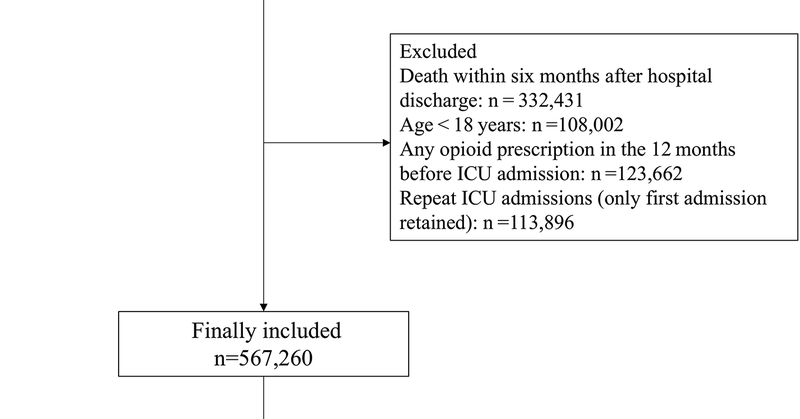
💊New in #CriticalCare: New persistent opioid use among ICU survivors after discharge: incidence, predictors, and nationwide cohort analysis https://t.co/m0FCTsLebu
#CritCare #ICU #CohortStudy #Opioid
link.springer.com
Critical Care - Long-term opioid dependence after critical illness is an emerging concern, yet the incidence and predictors of persistent opioid use among intensive care unit (ICU) survivors remain...
0
2
5
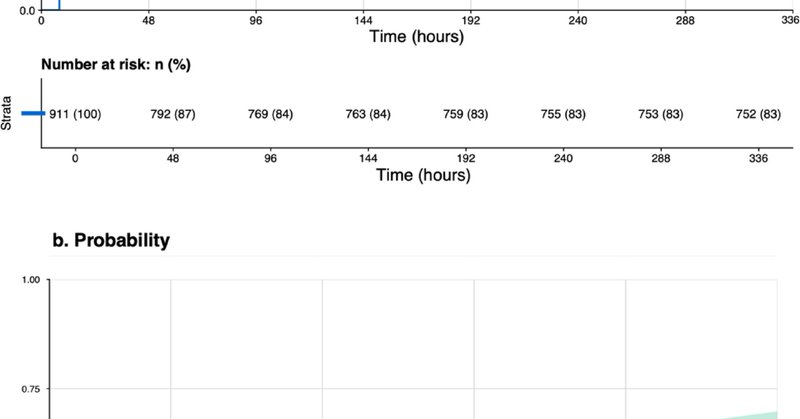
⚕️New in #CriticalCare: Incidence, severity, and predictors of citrate accumulation during continuous kidney replacement therapy in the critically ill https://t.co/xCg4PrpPwm
#CritCare #ICU #KidneyReplacement
link.springer.com
Critical Care - Regional citrate anticoagulation (RCA) is the recommended anticoagulation strategy for continuous kidney replacement therapy (CKRT). However, the safety of RCA in patients with...
0
5
20
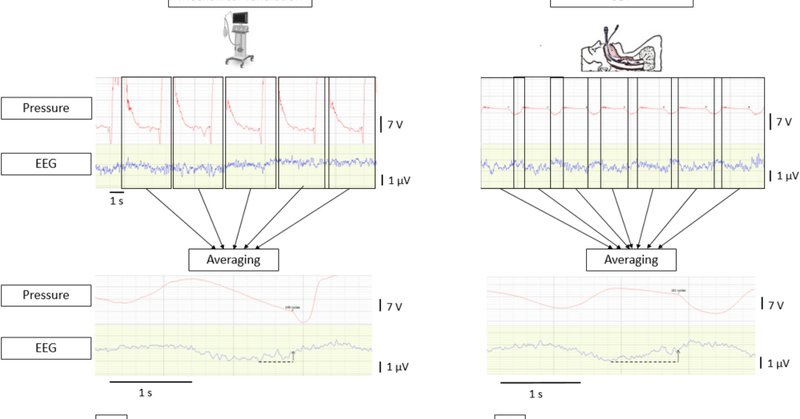
🫀New in #CriticalCare: Association between respiratory-related cortical activation and weaning from mechanical ventilation: a physiological study https://t.co/JUgHhPtHop
#CritCare #ICU #MechnicalVentilation #NeuroRespiratory
link.springer.com
Critical Care - In mechanically ventilated patients, extubation is decided after passing a spontaneous breathing trial (SBT). Supplementary motor area, which can be non-invasively assessed by...
1
5
20
🫀New in #CriticalCare: Association of hospital-arrival rhythm and ROSC with outcomes after ECPR for OHCA with initial shockable rhythm https://t.co/zLWsznKwnX
#CritCare #ICU #ECPR #OHCA #Cardiac
0
13
35

America needs you! Join U.S. Immigration and Customs Enforcement today.
12K
16K
96K
🚨Our new companion journal Critical Care: Sepsis and Severe Infection is now open for submissions! Find out more: https://t.co/XGrpudKjAD
#OpenAccess #CriticalCare #ICU #Sepsis #Infection
0
9
35
🚨New in #CritCare VExUS score: optimizing its use in perioperative and critical care management https://t.co/J4d9TrVA9W
#CriticalCare #ICU #VExUS
0
45
153
🫀New in #CritCare: Improving decision-making for prehospital Resuscitative Thoracotomy in traumatic cardiac arrest: a data-driven approach https://t.co/7Gxo4uoWkG
#CriticalCare #Cardiac #Resus #ICU #TCA
1
8
31
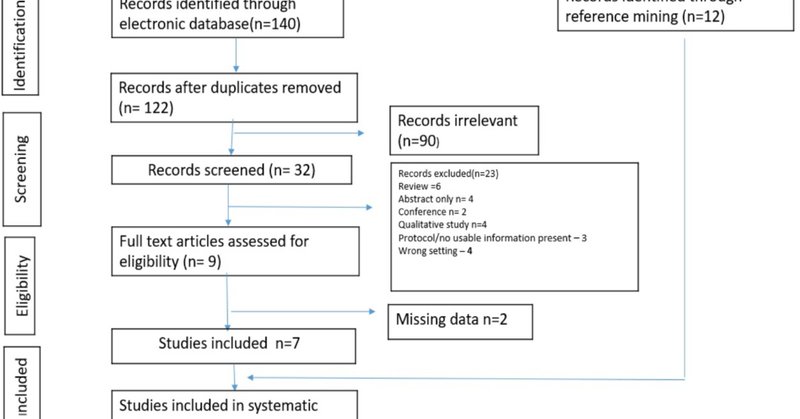
🫁New in #CritCareIn a review study focused on Post-ICU clinics examining their adoption in low- and middle-income countries exploring the barriers and facilitators to implement. https://t.co/p4nJVJEJLq
#CriticalCare #PICS #ICU #LMICs #HICs
link.springer.com
Critical Care - Advances in critical care have shifted the focus from survival alone to addressing Post-Intensive Care Syndrome (PICS), which includes persistent physical, cognitive, and...
0
8
26
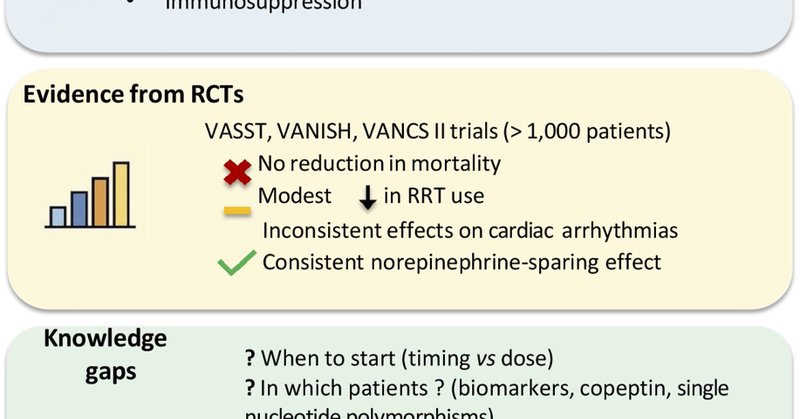
🩸Vasopressin in septic shock: promising second-line agent or unfulfilled hope? This review explores its norepinephrine-sparing effects, current evidence gaps, and future research needs—including timing, dosing, and patient selection. #CritCare @jlvincen 🔗 https://t.co/DPp0FmJ6Tk
link.springer.com
Critical Care - The Surviving Sepsis Campaign (SSC) recommends norepinephrine as first-line vasopressor in patients with septic shock. For many years, there has been growing evidence that high...
1
45
150
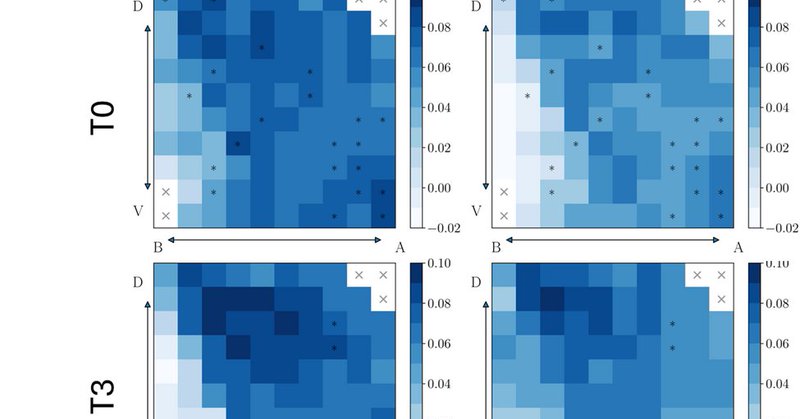
🫁New in #CritCare In an experimental model of P-SILI, CPAP improved lung strain rate and diaphragm relaxation vs. oxygen therapy—suggesting biomechanical protection during respiratory effort. @jlvincen 🔗 https://t.co/J4wmcc1psl
#CriticalCare #ARDS #CPAP #P_SILI #ICU
link.springer.com
Critical Care - Strenuous respiratory effort has been proposed as a second hit in severe acute lung injury (ALI), introducing the concept of “patient self-inflicted lung injury”...
0
4
17
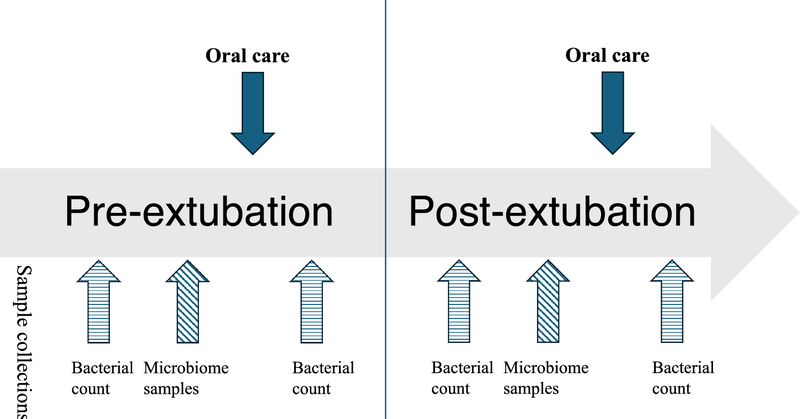
🦷New in #CritCare Oral care reduces bacterial load in intubated ICU patients and may help prevent VAP. This study also found disrupted oral microbiota post-extubation, highlighting the importance of hygiene during ventilation. 🔗 https://t.co/2OMeDcpICp
@jlvincen
#CriticalCare
link.springer.com
Critical Care - Ventilator-associated pneumonia (VAP) after tracheal intubation is a major infectious complication in patients in the intensive care unit (ICU), with an incidence of 8–28%....
0
11
42
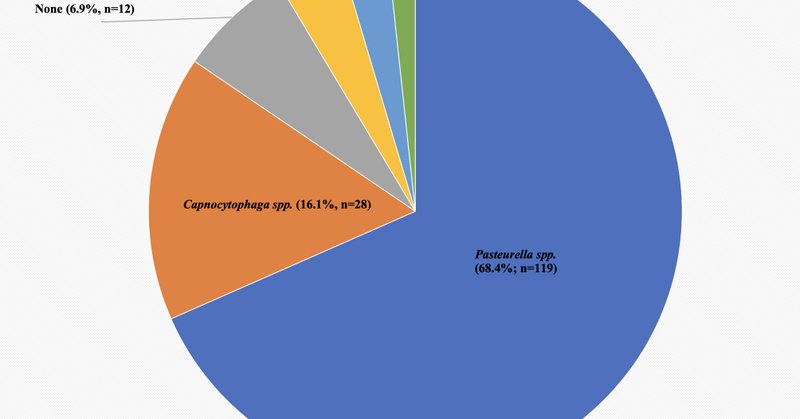
🐾New in #CritCare Sepsis from cat/dog contact is rare but serious. The PETSEPSIS study (174 ICU patients) found 24.1% hospital mortality. Risk factors: age, smoking, liver disease, anemia—not pathogen type. 🔗 https://t.co/n2hZg6dHTh
@jlvincen
#CriticalCare #Sepsis #Zoonosis
link.springer.com
Critical Care - Millions of households have cats or dogs as pets, and infections due to bites or scratches are increasing, with the most common pathogens being Pasteurella spp., Bartonella spp.,...
0
6
21
🧘♂️New in #CritCare The HYPIC trial found that while hypnosis didn’t reduce pain scores, it lowered anxiety, reduced lidocaine use, and decreased nurse stress—highlighting its potential to improve patient and provider experience. @jlvincen 🔗 https://t.co/b5diP26Jx5

link.springer.com
Critical Care - Pain and anxiety are frequent among critically ill patients undergoing unplanned invasive procedures, and pharmacological pain relief is not always possible. Although hypnosis is...
0
1
0
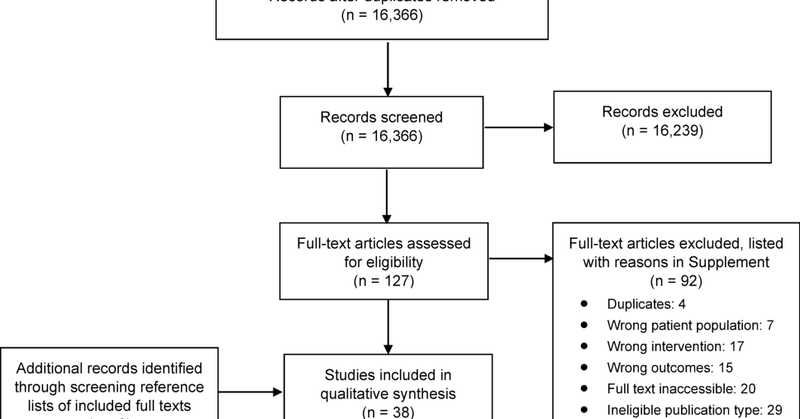
🧠Review in #CritCare This systematic review and meta-analysis shows that lower MAP thresholds are consistently associated with worse functional outcomes, supporting current guidelines for MAP augmentation—but more high-quality studies are needed. 🔗 https://t.co/88Xm5gLqFS
link.springer.com
Critical Care - Inadequate spinal perfusion in acute spinal cord injury (SCI) can exacerbate secondary injury. While current guidelines recommend maintaining mean arterial pressure...
1
17
47
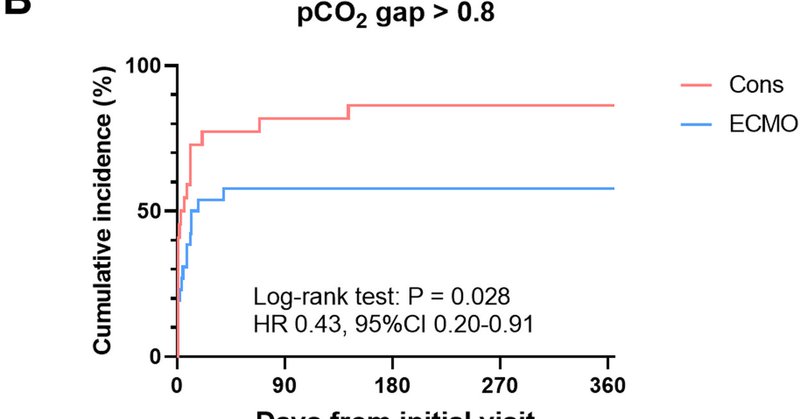
🫀New in #CritCare This post-hoc analysis of the ECMO-CS trial suggests that patients with low cardiac index, low SvO₂, or high pCO₂ gap may experience significant mortality reduction with early ECMO initiation. @jlvincen 🔗 https://t.co/TOxxfq0ghD
link.springer.com
Critical Care - Immediate initiation of extracorporeal membrane oxygenation (ECMO) has not demonstrated benefit in individuals diagnosed with cardiogenic shock based on the presence of hypotension....
1
19
50
📋New in J Anesth Analg #CritCare How can hospitals implement AI safely and ethically? This article introduces a checklist-based methodology aligned with the EU AI Act to guide structured, regulation-ready AI adoption in clinical settings. 🔗 https://t.co/FAGHtF4bdO
@jaacc_online
link.springer.com
Journal of Anesthesia, Analgesia and Critical Care - Artificial Intelligence (AI) is transforming anaesthesia and intensive care medicine, enhancing diagnostic precision, workflow efficiency, and...
1
0
2
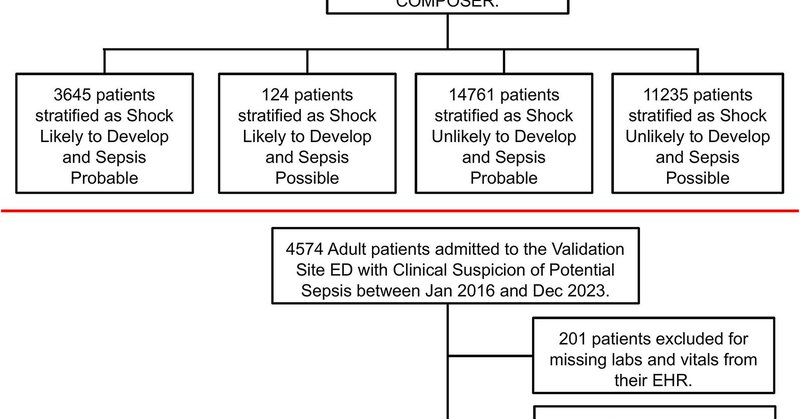
🧠New in #CritCare Can deep learning improve antibiotic timing in sepsis? Findings suggest early antibiotics reduce mortality in probable sepsis—while more lenient timing may be safe in low-risk cases. https://t.co/37yEGhUvg9
#Sepsis #AIinHealthcare #ICU #OpenAccess @jlvincen
link.springer.com
Critical Care - The current Surviving Sepsis Campaign (SSC) guidelines provide recommendations on timing of administering antibiotics in sepsis patients based on probability of sepsis and presence...
0
2
7
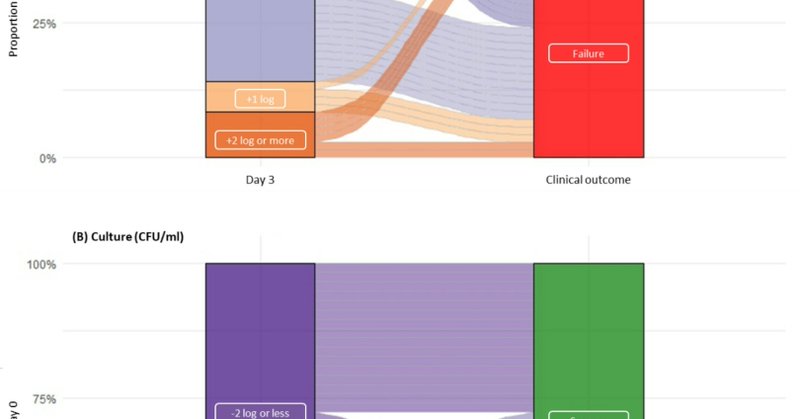
🦠New in #CritCare This multicenter study shows FA-PP offers rapid, accurate diagnostics—but serial testing during treatment didn’t correlate with outcomes. Diagnostic performance remained high throughout. 🔗 https://t.co/ZWYMjvpPYP
#VAP #HAP #ICU #OpenAccess @jlvincen
link.springer.com
Critical Care - Accurate microbiological documentation seems central for managing severe pneumonia. While the FilmArray® Pneumonia + panel (FA-PP) offers rapid pathogen...
0
5
8
🧬Published with Graphical Abstract in #CritCare This review explores adiponectin’s anti-inflammatory potential, its complex role as a biomarker, and how metabolic agents like GLP-1RAs may modulate its effects. https://t.co/EMiDSjqFDs
@jlvincen
0
0
3
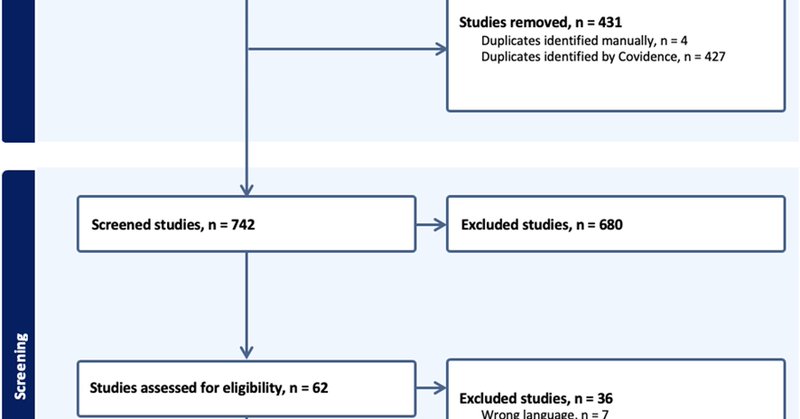
❤️ New in #CritCare This systematic review and meta-analysis reveal poor agreement with reference methods for most CO monitors. Calibrated pulse contour analysis performed best—but trending and precision metrics were rarely assessed. 🔗 https://t.co/sRCcipP6Na
@jlvincen
link.springer.com
Critical Care - To evaluate the interchangeability of cardiac output (CO) monitoring devices compared to reference methods in adult ICU patients with septic shock, we systematically searched...
1
14
32